Fast‑Build Steel Structures in Canada

How Fast-Build Steel Structures in Canada Save Time and Money?

How Fast-Build Steel Structures in Canada Save Time and Money?

Construction delays cost more than most people budget for. When a project runs weeks behind schedule, the financial impact compounds quickly through extended labour contracts, delayed occupancy, and carrying costs on financing. 

For anyone who has been through a traditional build in Canada, this is not news. It is a familiar frustration. Fast-build steel structures in Canada address this problem at the source, and the savings they produce are both measurable and practical.

Why Are Canadian Builders Facing Longer Timelines Right Now?

The pressure on project schedules is real and well-documented. Canada’s construction sector is operating near full capacity, with project delays and postponements linked to shortages of skilled labour and competition for specialized trades. According to the Canada Mortgage and Housing Corporation, these capacity constraints are actively limiting how many projects can move forward, even where demand is strong.

When you combine a tight labour market with the material and weather variables that come with building across Canadian provinces, traditional construction methods can stretch timelines well beyond original estimates. The framing system you choose at the planning stage has a direct bearing on how much of that risk you carry.

How Do Fast-Build Steel Structures in Canada Actually Speed Up a Project?

The speed advantage comes from what happens before a single component reaches your site. Steel is designed and fabricated in a controlled factory environment to precise specifications. When it arrives, the crew is installing rather than cutting, fitting, and improvising.

On average, light-gauge steel framing projects run 30 to 50 percent faster than traditional builds. The frames arrive engineered, consistent, and ready, which translates directly into a faster build schedule. A smaller crew can manage what would otherwise require more hands and more time. That is a meaningful reduction in both labour hours and the number of trades you need to coordinate on-site simultaneously.

There is also a less obvious benefit once the frame goes up. Steel does not warp or split due to moisture changes and holds its dimensions through temperature swings and humidity shifts, unlike wood frames that move after installation. When framing stays true, downstream trades like insulation, drywall, and mechanical work proceed without the corrective steps that add days to a schedule.

What Does Faster Construction Actually Mean for Project Costs?

Time and money are directly connected on any build. A Canadian industry analysis found that steel framing made whole-building costs approximately 9 to 10 percent lower compared to concrete for similar structures, when accounting for foundations, schedules, maintenance, and energy over the project lifecycle.

Shorter schedules also mean earlier occupancy or earlier revenue for commercial and industrial builds. A warehouse that opens six weeks ahead of plan is six weeks of operational income recovered. A multi-residential project that reaches tenants sooner reduces the financing burden on the developer. Fast-build steel structures in Canada make that kind of schedule recovery realistic rather than aspirational.

Are Steel Structures a Practical Choice for Different Project Types?

They work across a wide range of applications. Commercial warehouses, agricultural buildings, light industrial facilities, community centres, and residential structures have all been delivered successfully using steel framing across Canada. The material adapts well to different scales and site conditions, which makes it a viable option regardless of whether you are building in a dense urban centre or a rural location where trade availability is even tighter.

For developers, builders, and property owners who want a clear-eyed look at what fast-build steel structures in Canada can deliver on their next project, DestNest’s services are worth a direct conversation. The savings are not theoretical. They show up in the schedule, in the labour bill, and on the date you hand over the keys.
Fast-Build Steel Structures in Canada: How Fast Is Fast?

Speed is one of the first reasons people look at steel for a new build. But “fast” means different things depending on the size of the project, the time of year, and how well the work is planned in advance. 

Here is an honest look at how quickly fast-build steel structures in Canada can actually go up — and what determines the real timeline.

Why Are Steel Structures Considered Fast to Build?

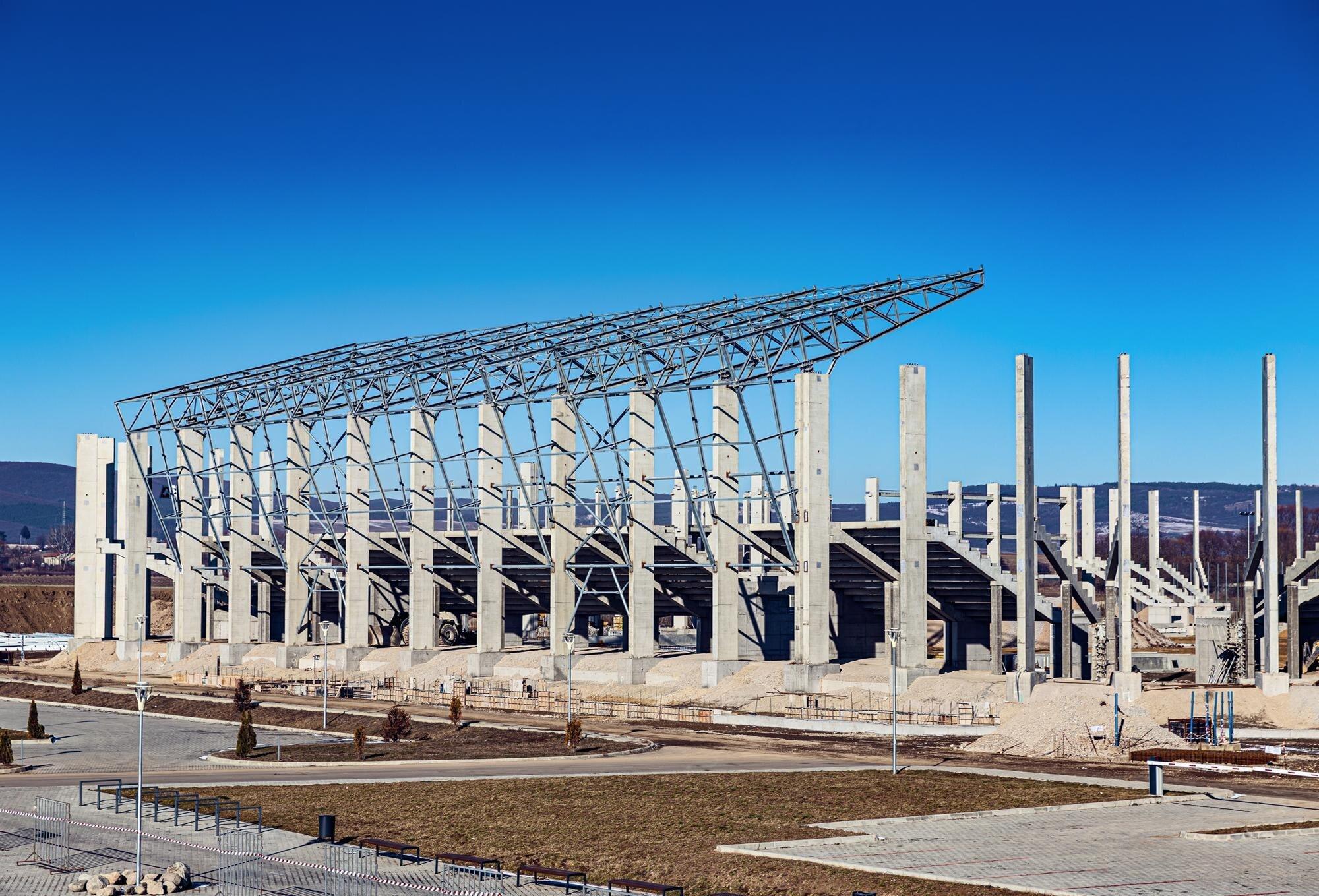
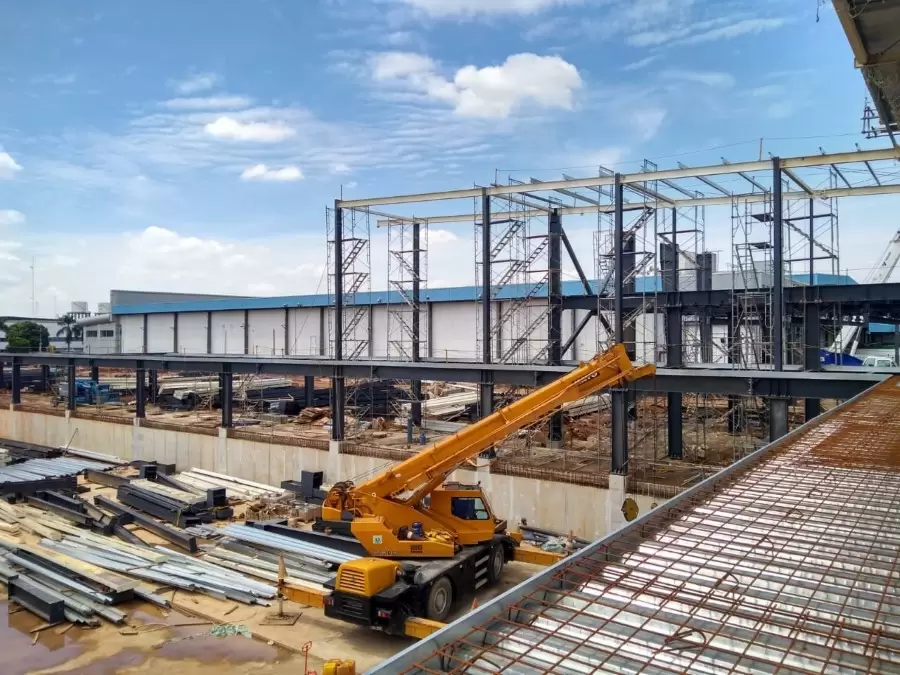
The speed advantage of steel starts well before any component reaches the job site. Steel framing is manufactured in a factory to precise specifications. When it arrives, it is ready to install. There is no on-site cutting to fit, no sorting through inconsistent material, and no improvisation required.

Wood framing, by contrast, requires constant hands-on adjustment at every stage. Pieces vary in dimension and moisture content. Steel eliminates most of that friction, which is why the framing phase of a steel build consistently moves faster than comparable wood construction.

How Long Does Steel Frame Erection Actually Take?

For a small structure under 10,000 square feet — a workshop, storage unit, or small commercial space — framing can be completed in as little as five to eight weeks once the foundation is ready. Medium-sized buildings around 10,000 square feet typically take approximately eight weeks for the erection phase. Larger or more complex projects may run several months depending on engineering requirements and site conditions.

The erection phase itself is often just days to a couple of weeks. The broader project timeline — from first planning call to occupancy — typically runs six to nine months for most permanent steel buildings in Canada, covering design, engineering, permits, fabrication, delivery, and construction.

Does Canada’s Housing Push Make Fast Steel Construction More Relevant?

Absolutely. The federal government has been clear about the urgency of building more homes, faster. Build Canada Homes, the federal agency launched to accelerate housing supply, has specifically prioritised modular and factory-built construction methods to cut costs and speed up delivery. 

Fast-build steel structures in Canada fit directly into that national direction. Prefabricated steel components are manufactured off-site and assembled quickly on location — exactly the kind of approach the federal government is backing.

What Determines Whether a Steel Build Stays on Schedule?

This is where most projects either succeed or run into trouble. The steel frame itself rarely causes delays. What causes delays is everything that needs to be in place before erection begins.

Permits and municipal approvals take time, and the process varies by province and municipality. Foundation work must be completed and inspected before any frame goes up. In Canada, frost depth varies significantly by region — from roughly five to six feet in Calgary to a fraction of that in coastal British Columbia — and foundation design has to account for local conditions precisely.

Weather also plays a role. Steel erection itself handles cold weather well, since it does not rely on moisture-dependent processes. Foundation pours, however, require careful cold-weather management to avoid compromising concrete strength.

Fast-build steel structures in Canada deliver their speed advantage most reliably when permitting, site preparation, and fabrication are coordinated in parallel rather than sequentially.

How Does Prefabrication Improve Speed on Site?

When components are pre-drilled, pre-cut, and engineered to fit together exactly, on-site labour is dramatically reduced. There is less measuring, less waste, and far fewer unexpected corrections. Trades who follow the framing crew — electricians, plumbers, mechanical contractors — find their work more straightforward because the structure is dimensionally consistent throughout.

That predictability has a value beyond speed. It reduces the risk of costly on-site changes and keeps the overall project closer to the original budget.

Where Can You Get Fast-Build Steel Structures in Canada?

If your project has a firm timeline and you need a framing system that is engineered, manufactured, and ready to go, DestNest manufactures fast-build steel structures in Canada for residential, commercial, and light industrial applications. Every component is produced with precision and backed by proper engineering documentation.

How Fast Can You Build a Steel Structure in Canada?

Timeline is one of the first things builders, developers, and homeowners think about when planning a construction project. Delays cost money. They disrupt schedules and push back occupancy dates. The framing system you choose has a direct effect on how quickly a project moves from foundation to finished structure. Fast-build steel structures in Canada have a well-documented speed advantage over traditional construction methods. Here is an honest look at where that speed comes from and what factors still affect the overall timeline.

Why Steel Builds Faster Than Wood

The speed advantage of steel starts before anything reaches the job site. Steel components are manufactured in a factory to exact specifications. When they arrive on site, they are ready to install. There is no cutting, no sorting through inconsistent material, and no on-site improvisation to make pieces fit together.

Wood framing requires more hands-on work at every stage. Pieces vary in dimension and moisture content. Adjustments happen constantly. Steel eliminates most of that friction, which is why fast-build steel structures in Canada consistently move faster through the framing stage than wood alternatives.

The Role of Prefabrication

Prefabrication is central to the speed of steel construction. Because components are digitally designed and factory-made to precise measurements, on-site assembly becomes a straightforward installation process rather than manual framing from scratch. A smaller crew can handle what would otherwise require more labour and more time.

On average, light-gauge steel framing projects are 30 to 50 percent faster than traditional builds. The frames arrive engineered, consistent, and ready. That translates directly into a faster build schedule.

Steel Does Not Hold Up Interior Work

One of the less obvious speed benefits of fast-build steel structures in Canada is what happens after the frame goes up. Steel does not warp or split due to moisture changes. It holds its dimensions through temperature swings and humidity shifts.

Wood frames that move after installation create problems for everything that follows. Drywall cracks. Door frames shift. Finishing work has to accommodate what the wood did after it was installed. Steel stays where it is put, which allows interior trades to proceed on a consistent and predictable schedule.

What Still Affects the Timeline

Speed is real with steel, but it is not unlimited. Several factors influence how quickly a project reaches completion regardless of the framing material.

Permits and site preparation take time. No frame goes up before the site is ready and approvals are in place. Design complexity matters too. More complex or custom designs take longer to engineer, manufacture, and install than straightforward structures. Interior finishing work, custom details, and specialty items add time after the frame is complete. Coordinating subcontractors and sourcing materials from multiple vendors affects the pace of the project. Adverse weather can cause delays at any stage of construction, particularly in Canadian winters.

Fast-build steel structures in Canada are faster at the framing stage. The overall project timeline still depends on how well the rest of the build is planned and managed.

Predictable Workflows Make Scheduling Easier

One practical advantage that does not always get discussed is workflow predictability. Because steel components are precise and consistent, the work is more predictable from day to day. Subsequent trades — electricians, plumbers, insulation crews — can schedule their work with more confidence because the frame they are working around is exactly what was planned.

That predictability reduces the delays that come from one trade waiting on another to finish corrections. It keeps the project moving in a straight line.

What This Means for Your Project

At DestNest, we manufacture steel framing systems using modern cold-forming technology and advanced software, so every component is engineered and ready before it reaches your site. Our steel structures are suited to residential, commercial, and light industrial projects across Canada, and the speed and precision of the build are built into the system from the start.

If you are planning a project and want to understand how fast-build steel structures in Canada can work for your timeline, get in touch with us at DestNest. We are ready to talk through your project requirements and help you plan a build that stays on schedule.