Canadian construction is at an inflection point. Housing supply pressures, skilled labour shortages, tighter project budgets, and rising sustainability expectations are arriving simultaneously, and the industry is responding by rethinking how buildings are put together from the ground up. Modular steel building components in Canada are emerging as one of the most practical answers to that pressure, and the numbers behind the shift are hard to ignore.
What Are Modular Steel Building Components and How Do They Work?
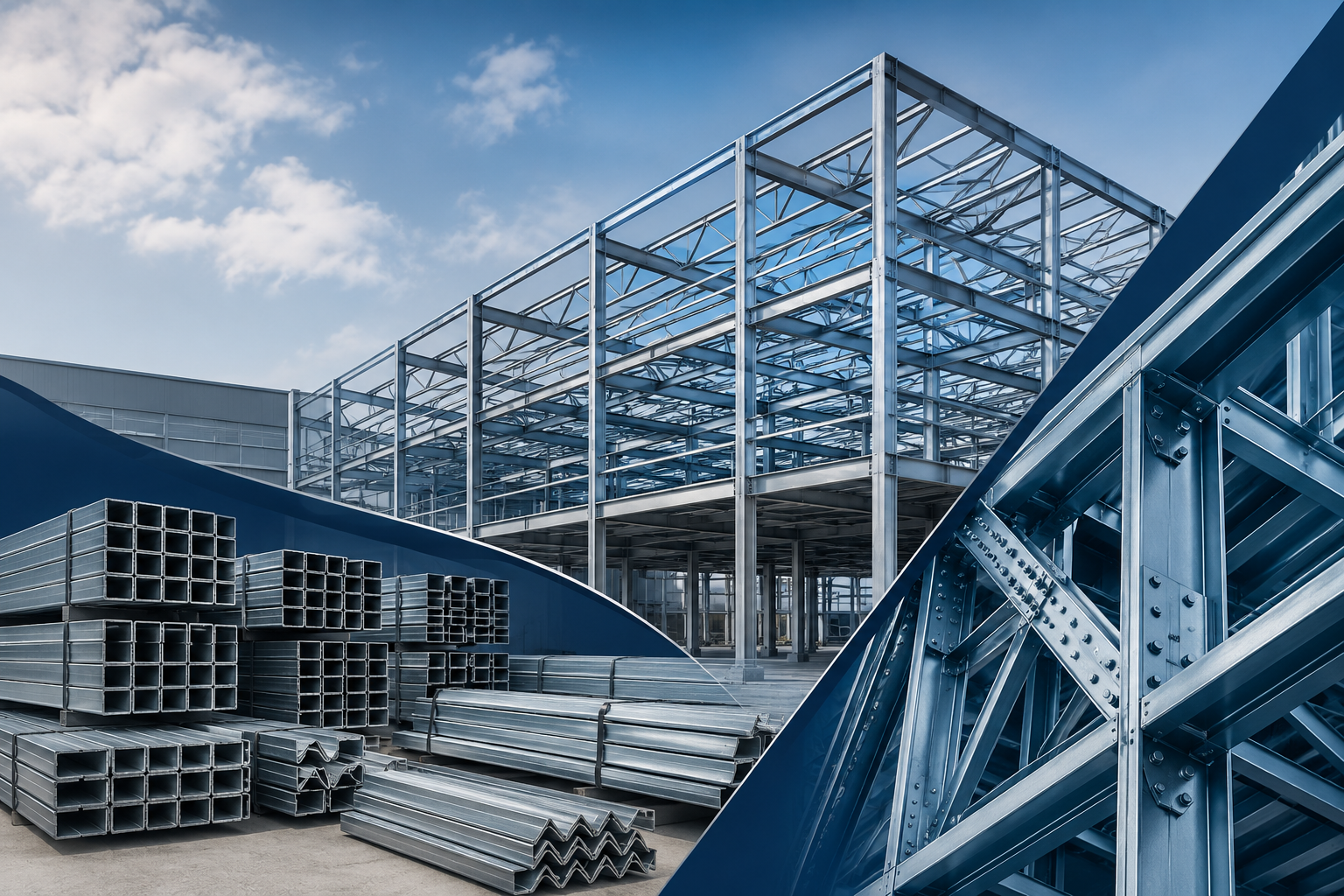
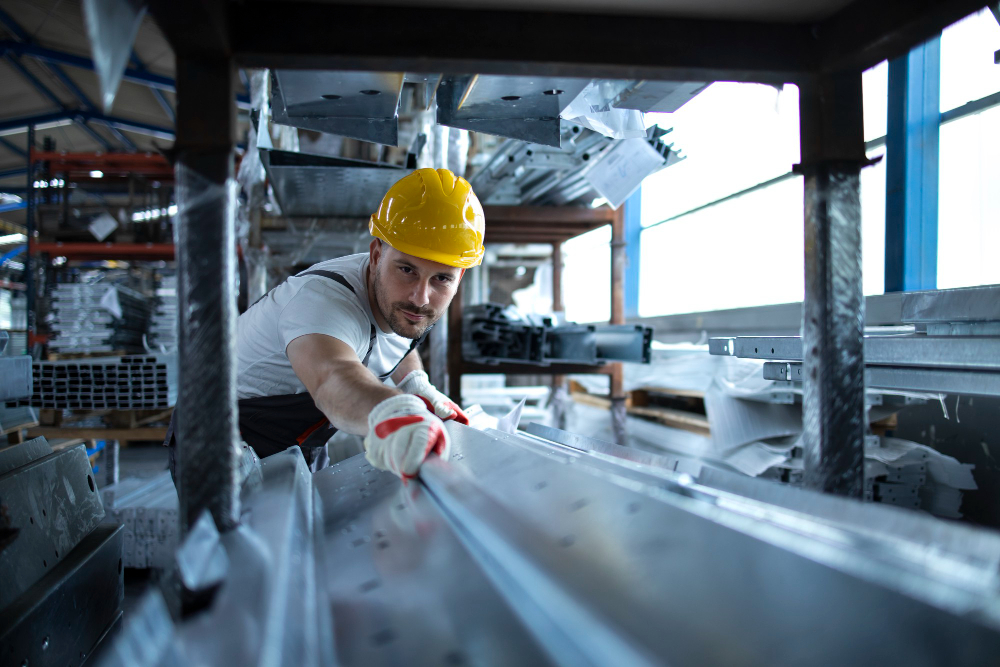
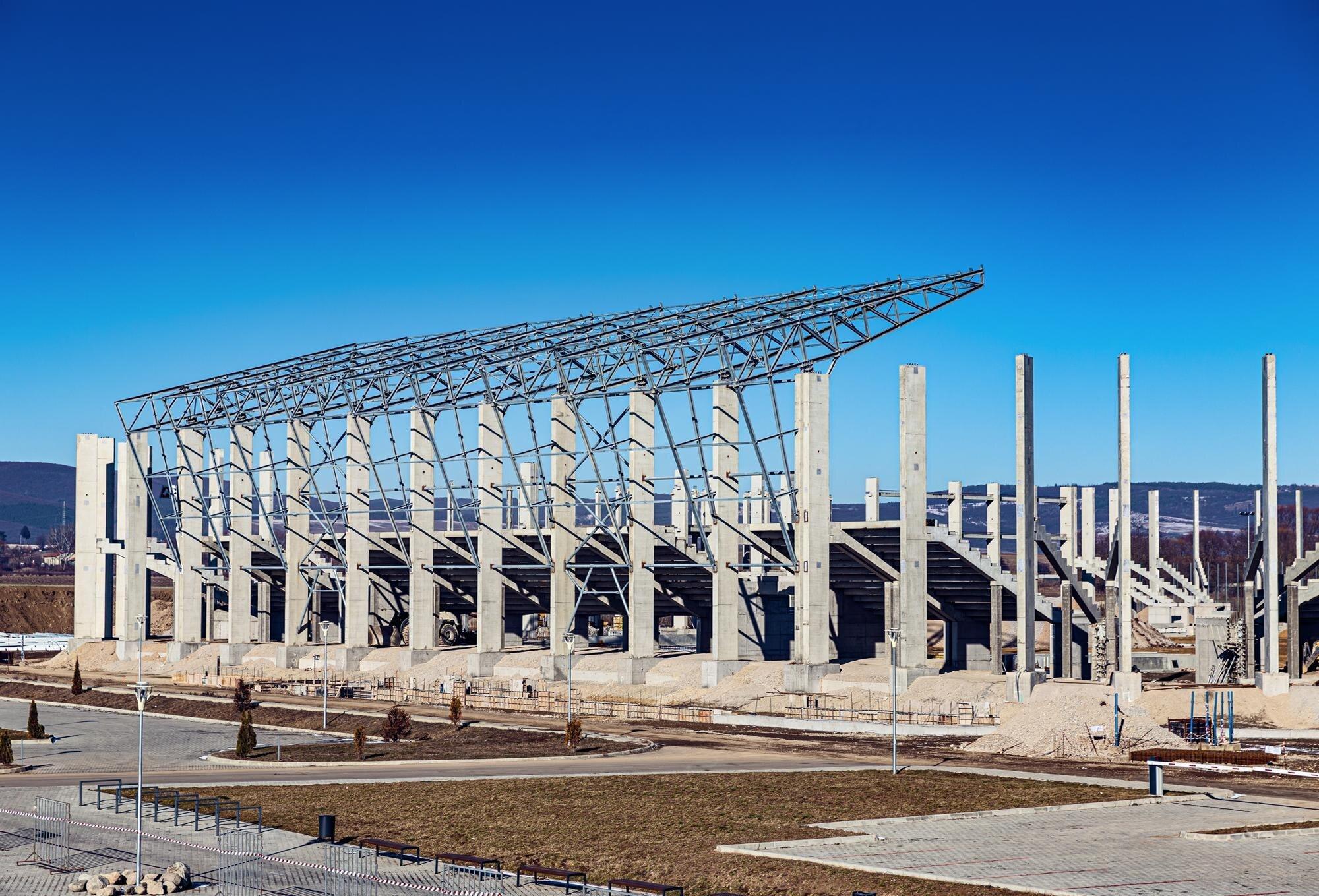
The concept is straightforward. Rather than constructing everything from scratch on a job site, modular steel building components are engineered and fabricated in a controlled factory environment. Wall panels, floor systems, structural frames, and entire building modules are produced off-site to precise specifications, then transported and assembled on location.
This approach shortens construction timelines for both major projects and smaller builds while maintaining consistent structural integrity, and entire building components manufactured off-site reduce waste and improve quality control considerably. Steel is the preferred material for this method because its dimensional consistency translates directly from factory to site without the variability that plagues timber framing.
Why Is Canada Investing in Modular Construction Right Now?
The policy context could not be clearer. Canada Mortgage and Housing Corporation has shown the country needs to double housing starts over the next decade, and meeting that goal will require boosting productivity in residential construction and building smarter and faster. In a direct response, CMHC has expanded its mortgage loan insurance offering to include more options for prefabricated and modular homes, recognising that these methods reduce building timelines and potentially costs for both the homebuilder and homeowner.
The federal government is backing this with real investment. Build Canada Homes, the federal housing agency launched in September 2025, is specifically mandated to lead the adoption of factory-built and modular construction methods to accelerate the delivery of affordable housing. For developers and builders paying attention to where government procurement is heading, that direction is unambiguous.
How Do Modular Steel Building Components Save Time and Money on Canadian Projects?
This is where the practical case becomes compelling. Speed to market and cost efficiency are the leading drivers of the modular market in Canada, where the multifamily modular sector alone was valued at CDN$2.16 billion in 2024 and is projected to reach CDN$6.4 billion by 2029.
Modular steel building components in Canada reduce on-site labour hours, limit weather-related delays, and allow interior and exterior work to proceed in parallel, something a sequential traditional build cannot accommodate. Because steel components arrive engineered and labelled, smaller crews can achieve faster assembly without compromising structural performance. Financing timelines compress alongside construction timelines, which reduces carrying costs on borrowed capital throughout the project.
Which Sectors Are Benefiting Most from Modular Steel Construction in Canada?
The reach is wide. Multi-residential developers are using modular steel building components in Canada for mid-rise apartment buildings where speed to rental income matters. Healthcare facilities, schools, and community centres have all been delivered using modular steel methods across various provinces. Industrial and commercial developers value the adaptability of steel modules, which can be reconfigured or expanded as operational needs evolve.
The modular nature of steel components allows for easy expansion or modification after initial construction, which is an advantage that concrete and wood-frame buildings struggle to match. That flexibility adds long-term value well beyond the build date.
For developers, contractors, and project owners looking to build faster, more cost-effectively, and in line with where Canadian construction policy is heading, DestNest’s modular steel building components offer a well-engineered path forward. The industry is moving in this direction. Getting ahead of that curve makes practical sense.