June 11th,
2026
Steel has always been a practical choice in Canadian construction. It handles the cold, it handles the load, and it lasts. But the conversation around it has shifted considerably in recent years.
Today, developers, architects, and property owners are asking sharper questions about what their building materials actually cost the environment and how well they hold up against Canada’s updated green building standards. Sustainable steel building systems in Canada answer those questions in ways that most other materials simply cannot.
Why Are Builders Across Canada Choosing Sustainable Steel Systems?
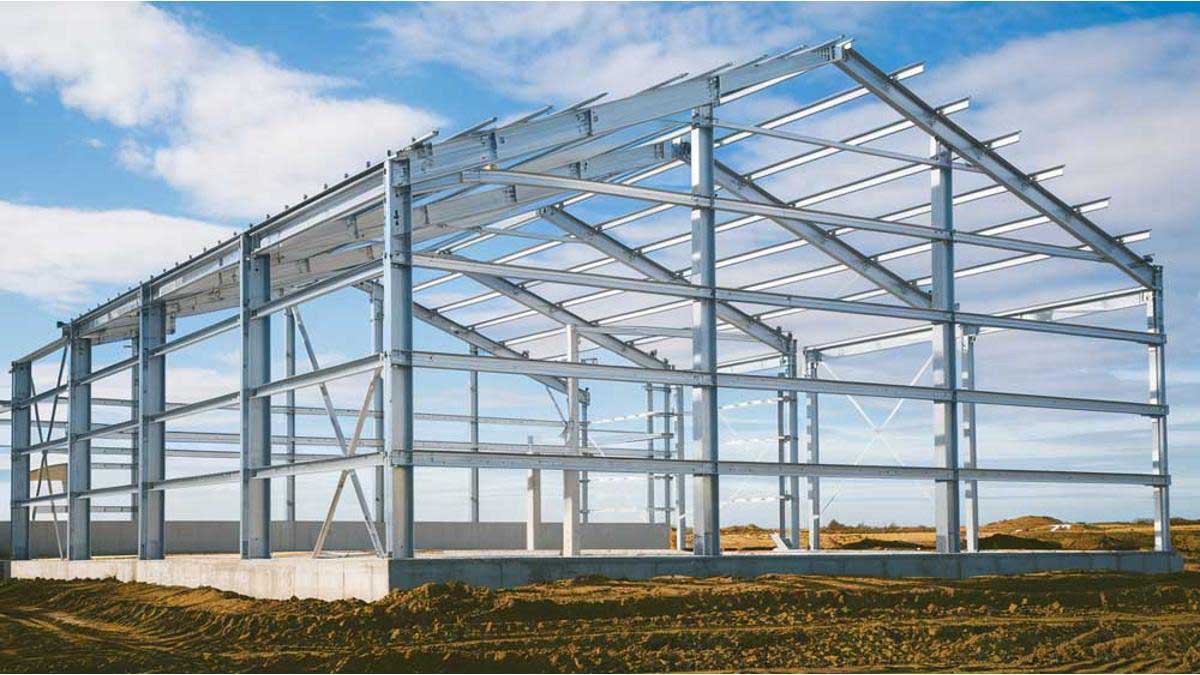
The short answer is that they perform well on multiple fronts at once. A traditional build might require you to trade cost efficiency for environmental responsibility, or speed for durability. Steel removes that tension. Pre-engineered steel components are cut to specification off-site, which reduces material waste on the job considerably. Once assembled, the structure is ready to work against Canadian weather conditions from day one.
New structural steel commonly contains over 90% recycled content, and the North American recycling rate for steel sits at approximately 98%. That is not a minor footnote. It means that the material you are building with today can be recovered and re-entered into the supply chain decades from now without losing any of its structural quality. No other common building material makes that claim with the same consistency.
How Do Steel Building Systems Support Canada’s Net-Zero Goals?
This matters more now than it did even five years ago. Buildings are Canada’s third-largest emitting sector, and the federal government has made decarbonizing this sector central to meeting Canada’s 2030 climate targets and achieving a net-zero economy by 2050.
The Canada Green Buildings Strategy, published by Natural Resources Canada, sets out a clear direction: build greener from the start, retrofit what already stands, and choose materials that carry verifiable environmental credentials.
Sustainable steel building systems in Canada fit naturally into that framework. Modern steel systems, including insulated metal panels and strategic insulation assemblies, can achieve high R-values suited to Canadian climate zones, while reflective roof designs reduce cooling loads in warmer months. For projects pursuing LEED certification or reporting against ESG benchmarks, these are measurable advantages, not just talking points.
Are Steel Buildings Cost-Effective for Modern Canadian Projects?
One of the biggest concerns project owners raise is budget. Steel carries a reputation for being a premium choice, and while material costs are real, the longer picture tells a different story. Pre-engineered steel buildings reduce labour costs, accelerate project timelines, and meet regional building demands more efficiently, with added advantages including long-term durability, minimal maintenance, and reliable performance in all weather conditions.
Labour shortages are also a legitimate pressure across many provinces right now. A construction method that reduces the hours required on-site, without cutting corners on quality, is worth serious consideration for any project working against a tight schedule or a constrained crew.
What Types of Projects Benefit Most from Steel Building Systems?
The range is wide. Commercial warehouses, agricultural structures, community centres, light industrial facilities, and mixed-use developments have all been built successfully with steel across Canada. The material adapts to different scales and site conditions with relatively little friction, which is part of why it has remained a go-to choice for builders operating across provinces with very different climate and regulatory environments.
For projects with sustainability goals already written into the brief, DestNest’s sustainable steel building systems in Canada offer a documented and practical path forward. The environmental case is solid, the performance record is established, and the alignment with federal green building policy makes the material choice one that holds up well over time.
Building responsibly in Canada today means thinking past the ribbon-cutting. It means selecting materials that reduce waste, support energy targets, and need less intervention over their lifetime. Steel addresses all three without asking you to compromise on the quality of what gets built.