March 20th,
2026
Building a home in Canada is a long-term decision. The materials you choose affect how the structure performs over time, how much maintenance it needs, and how smoothly the construction process goes. Cold-formed steel framing has become a practical choice for residential projects across the country. Here is what it offers and why it is worth considering.
What Cold-Formed Steel Framing Is
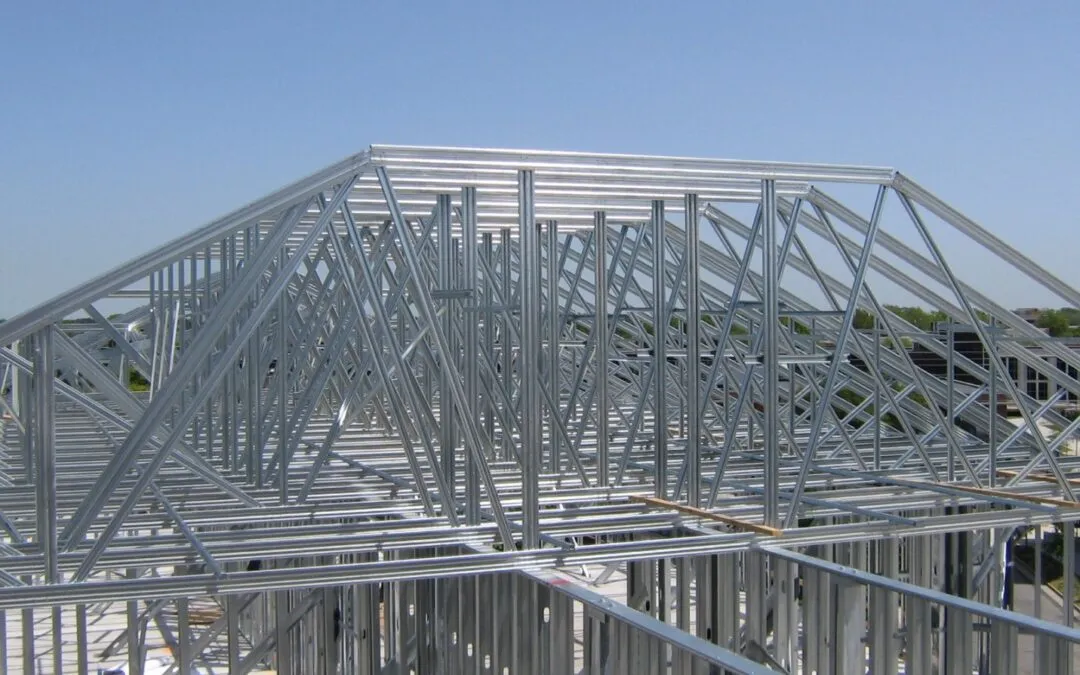
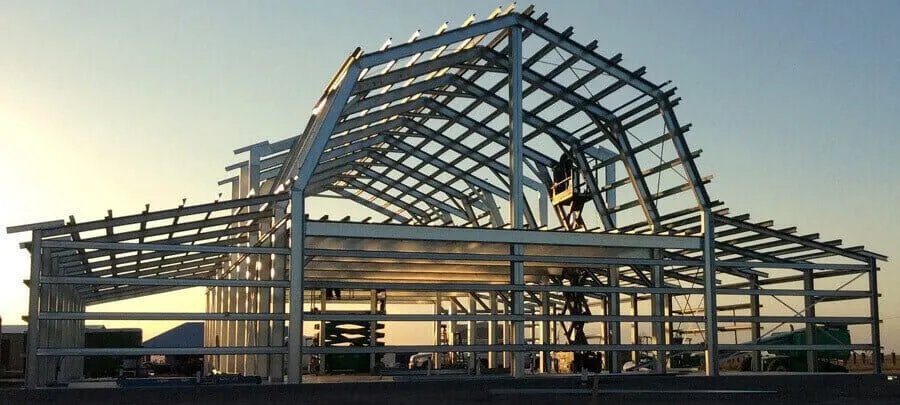
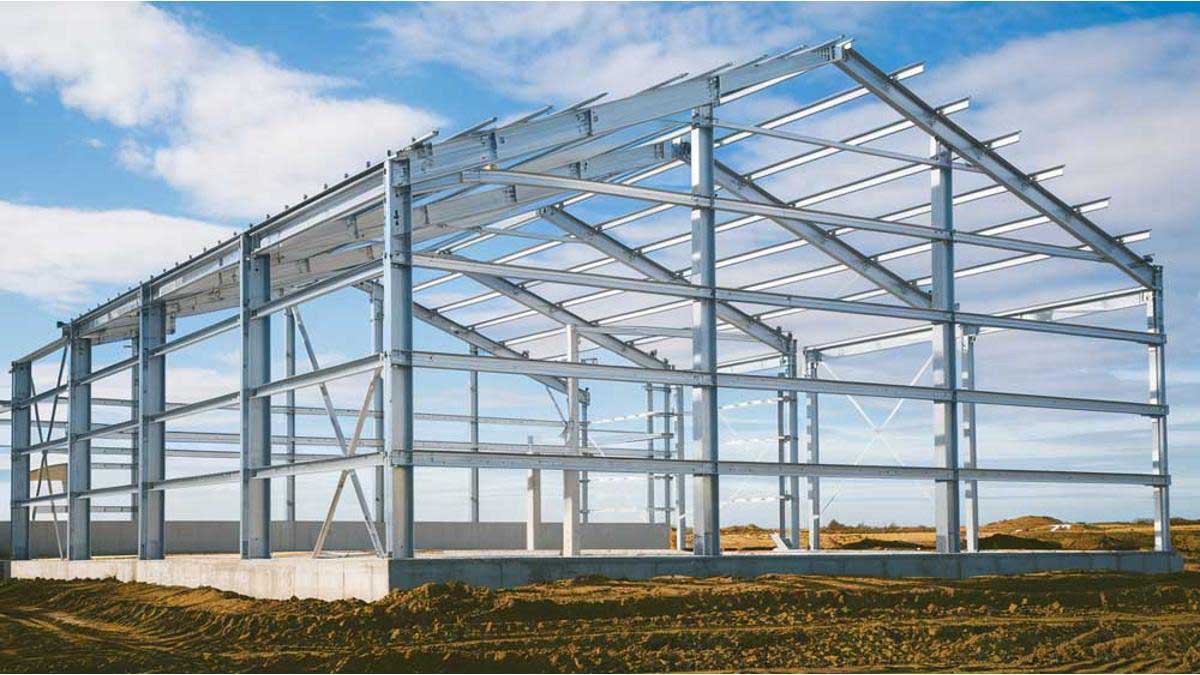
Cold-formed steel framing starts as structural-quality steel sheet shaped at room temperature into lightweight, high-strength profiles. The process produces components that are dimensionally consistent every time. Dimensional lumber cannot say the same. Working with a cold-formed steel framing manufacturer in Canada also means the components are built to meet the National Building Code of Canada from the beginning.
It Holds Up Through Canadian Weather
Wood absorbs moisture. It warps in cold and swells in heat. In Canada, where freeze-thaw cycles and temperature swings are a regular part of life, that movement adds up over time.
Cold-formed steel does not behave that way. It maintains its dimensions through every season. A frame installed in October looks the same in April. For Canadian homes, that kind of stability matters.
No Rot, No Mould, No Termites
Steel does not rot. It does not attract rodents or termites. It does not grow mould or mildew. For a home that is meant to last, these qualities reduce long-term problems significantly.
At DestNest, our framing profiles are zinc-coated through galvanisation, which protects the steel well beyond the building’s intended lifespan. As a cold-formed steel framing manufacturer in Canada, we build components designed to go the distance.
It Does Not Burn
Steel does not burn. That distinction carries real weight under the National Building Code of Canada and provides a level of fire resistance that is built into the material itself. For residential construction, that is a meaningful safety advantage.
Builds Go Faster
Cold-formed steel components are prefabricated under controlled factory conditions and arrive at the job site ready to install. That means fewer on-site corrections, faster build times, and a frame that is straight and true throughout.
Dimensional tolerances with cold-formed steel are consistently four times tighter than lumber. That precision makes the work of subsequent trades — electricians, plumbers, and others — faster and more straightforward. A cold-formed steel framing manufacturer in Canada delivers that level of consistency as standard.
Pricing Stays Predictable
Lumber prices move with the market and the seasons. Cold-formed steel pricing does not work that way. There are no seasonal spikes, no supply shocks, and no unexpected budget changes because material costs shifted. What you price at the design stage is what you build with. For a fixed-budget residential project, that reliability is worth a lot.
A Greener Building Material
Cold-formed steel is 100% recyclable and contains recycled content. It generates minimal waste on site. For homeowners with green building goals, working with a cold-formed steel framing manufacturer in Canada is a practical starting point, not just a talking point.
Built for Canadian Conditions
Cold-formed steel framing addresses what Canadian residential construction actually demands. It handles the climate, meets the codes, and holds up over time without the complications that come with wood.
If you are planning a residential build and want to know how cold-formed steel framing fits your project, get in touch with us at DestNest. We manufacture framing systems built for Canadian conditions and are happy to talk through what your project needs.