Fast‑Build Steel Structures in Canada

How Fast Can You Build a Steel Structure in Canada?

How Fast Can You Build a Steel Structure in Canada?

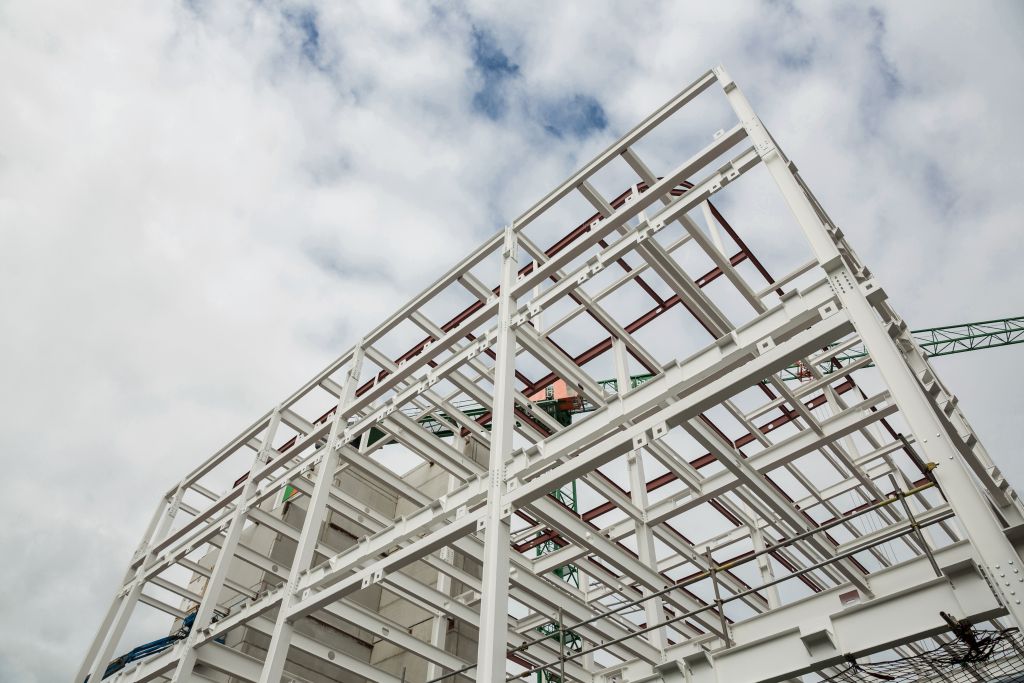
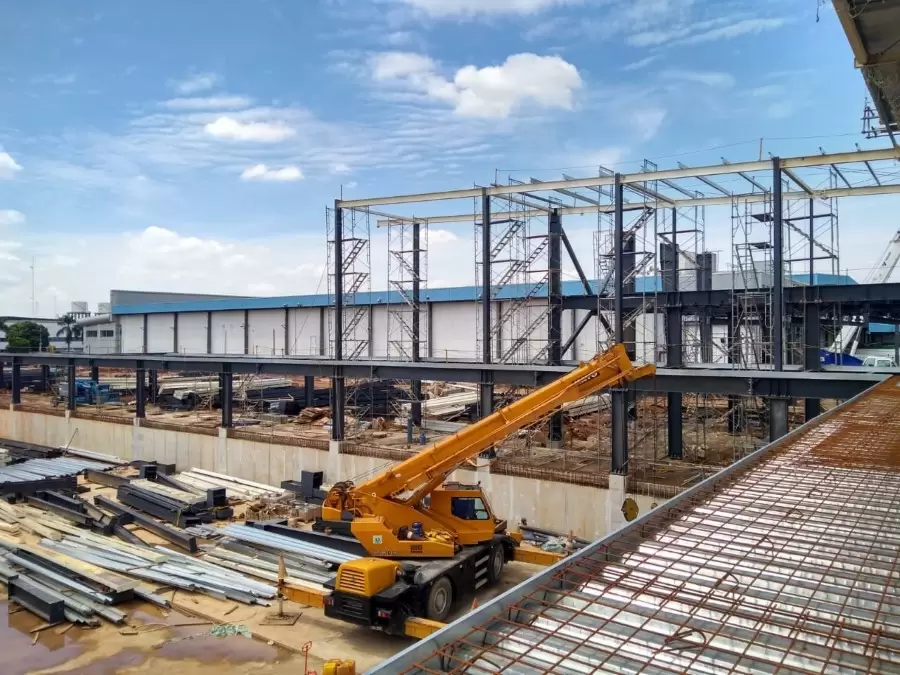
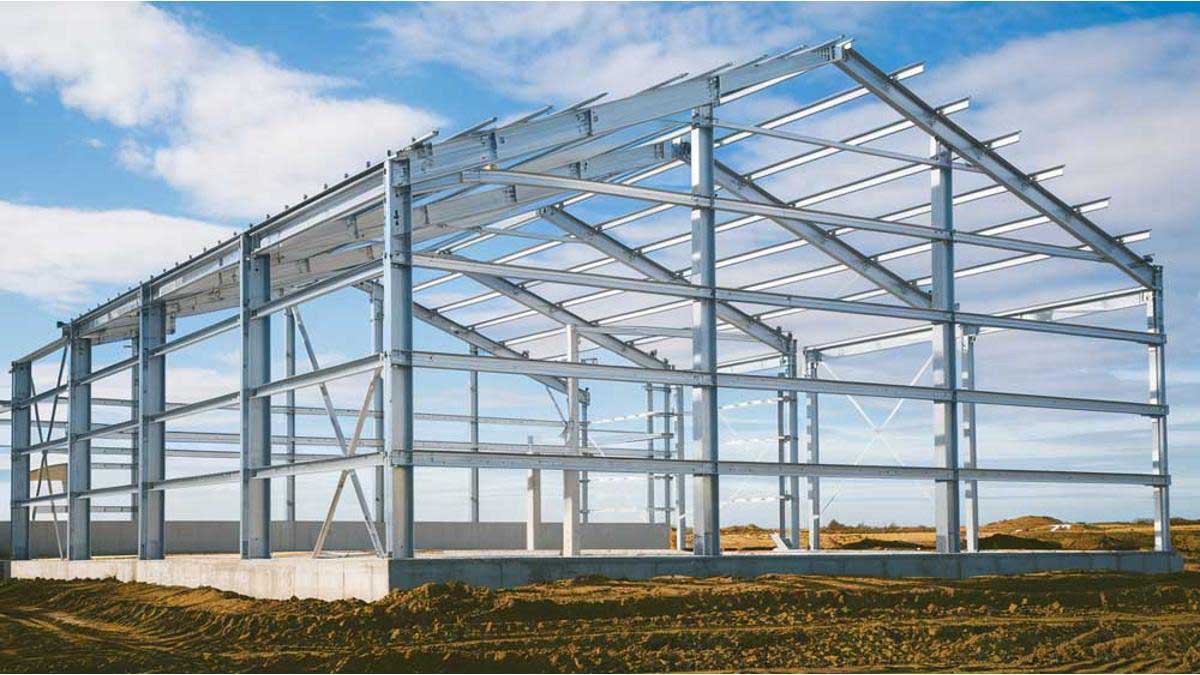
Timeline is one of the first things builders, developers, and homeowners think about when planning a construction project. Delays cost money. They disrupt schedules and push back occupancy dates. The framing system you choose has a direct effect on how quickly a project moves from foundation to finished structure. Fast-build steel structures in Canada have a well-documented speed advantage over traditional construction methods. Here is an honest look at where that speed comes from and what factors still affect the overall timeline.

Why Steel Builds Faster Than Wood

The speed advantage of steel starts before anything reaches the job site. Steel components are manufactured in a factory to exact specifications. When they arrive on site, they are ready to install. There is no cutting, no sorting through inconsistent material, and no on-site improvisation to make pieces fit together.

Wood framing requires more hands-on work at every stage. Pieces vary in dimension and moisture content. Adjustments happen constantly. Steel eliminates most of that friction, which is why fast-build steel structures in Canada consistently move faster through the framing stage than wood alternatives.

The Role of Prefabrication

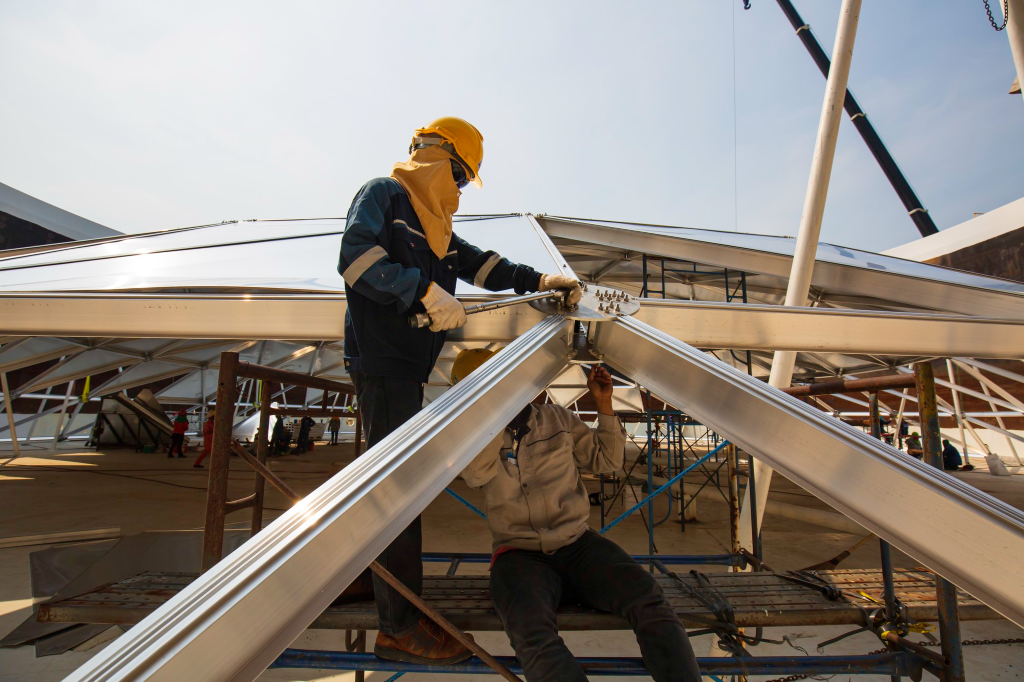
Prefabrication is central to the speed of steel construction. Because components are digitally designed and factory-made to precise measurements, on-site assembly becomes a straightforward installation process rather than manual framing from scratch. A smaller crew can handle what would otherwise require more labour and more time.

On average, light-gauge steel framing projects are 30 to 50 percent faster than traditional builds. The frames arrive engineered, consistent, and ready. That translates directly into a faster build schedule.

Steel Does Not Hold Up Interior Work

One of the less obvious speed benefits of fast-build steel structures in Canada is what happens after the frame goes up. Steel does not warp or split due to moisture changes. It holds its dimensions through temperature swings and humidity shifts.

Wood frames that move after installation create problems for everything that follows. Drywall cracks. Door frames shift. Finishing work has to accommodate what the wood did after it was installed. Steel stays where it is put, which allows interior trades to proceed on a consistent and predictable schedule.

What Still Affects the Timeline

Speed is real with steel, but it is not unlimited. Several factors influence how quickly a project reaches completion regardless of the framing material.

Permits and site preparation take time. No frame goes up before the site is ready and approvals are in place. Design complexity matters too. More complex or custom designs take longer to engineer, manufacture, and install than straightforward structures. Interior finishing work, custom details, and specialty items add time after the frame is complete. Coordinating subcontractors and sourcing materials from multiple vendors affects the pace of the project. Adverse weather can cause delays at any stage of construction, particularly in Canadian winters.

Fast-build steel structures in Canada are faster at the framing stage. The overall project timeline still depends on how well the rest of the build is planned and managed.

Predictable Workflows Make Scheduling Easier

One practical advantage that does not always get discussed is workflow predictability. Because steel components are precise and consistent, the work is more predictable from day to day. Subsequent trades — electricians, plumbers, insulation crews — can schedule their work with more confidence because the frame they are working around is exactly what was planned.

That predictability reduces the delays that come from one trade waiting on another to finish corrections. It keeps the project moving in a straight line.

What This Means for Your Project

At DestNest, we manufacture steel framing systems using modern cold-forming technology and advanced software, so every component is engineered and ready before it reaches your site. Our steel structures are suited to residential, commercial, and light industrial projects across Canada, and the speed and precision of the build are built into the system from the start.

If you are planning a project and want to understand how fast-build steel structures in Canada can work for your timeline, get in touch with us at DestNest. We are ready to talk through your project requirements and help you plan a build that stays on schedule.

What Makes Steel Building Systems Sustainable in Canada?

More people in Canada are paying attention to what their buildings are made of. Not just for performance reasons, but for environmental ones. The materials used in construction have a real impact on how much waste gets generated, how much energy gets consumed, and how long a structure lasts before it needs work. Sustainable steel building systems in Canada hold up well against all three of those measures. Here is why.

Steel Does Not End Up in a Landfill

When a steel building reaches the end of its life, the steel does not get thrown away. It gets recycled and used again. Steel can be recycled repeatedly without losing its strength or performance. That is not something most building materials can claim.

For projects working toward LEED certification or meeting ESG reporting requirements, sustainable steel building systems in Canada provide a documented and measurable foundation. The environmental benefit is real and verifiable.

Less Waste on the Job Site

Steel components are prefabricated off-site to exact specifications. When they arrive at the job site, they are ready to install. There is very little material left over at the end of the job.

Wood framing does not work that way. Offcuts, inconsistent pieces, and rejected material pile up on site. That waste has to go somewhere. Steel reduces that problem significantly, which matters both for the environment and for the cleanliness of the build.

No Forests Required

Steel does not come from forests. Choosing sustainable steel building systems in Canada means the project is not contributing to deforestation. The raw material can include recycled steel content, and at the end of the building’s life, it feeds back into that same cycle.

At DestNest, our steel building systems use recycled content and are fully recyclable at the end of their useful life.

Lower Energy Costs Over Time

Steel buildings support effective insulation across walls, floors, and roofs. In Canada, where winters are long and summers can be warm, a building that holds its temperature well costs less to run. Heating and cooling bills stay lower throughout the year.

That energy efficiency is one of the reasons sustainable steel building systems in Canada sit comfortably within the country’s green building standards. The savings are not just environmental. They show up in monthly bills too.

A Building That Lasts Longer Needs Less

Steel does not rot. It does not attract pests. Moisture does not weaken it over time. A steel-framed building holds its structural integrity for decades with very little maintenance compared to a wood-framed alternative.

When a building needs fewer repairs, it uses fewer materials and fewer resources over its lifetime. That is a straightforward sustainability benefit that adds up quietly over many years.

Works Well With Solar and Green Roof Systems

Steel buildings can support solar panel installation and green roof systems. The structural strength of the frame handles those additions well. For homeowners and developers who want to take energy efficiency further, that option is there.

Sustainable steel building systems in Canada are not only about the frame itself. They create the right conditions for a building that produces less and lasts longer.

The Bigger Picture

Responsible construction in Canada today means thinking beyond the build date. It means choosing materials that reduce waste, support energy efficiency, and hold up without constant upkeep. Steel addresses all of those requirements in one material choice.

If your next project has sustainability goals built into it, get in touch with us at DestNest. We manufacture sustainable steel building systems in Canada for residential, commercial, and industrial projects and are ready to talk through what makes sense for your build.

What Are Steel Roof Trusses and Why Are They Popular in Canada?

A roof does more than keep rain out. It carries snow loads through long winters, handles wind pressure through storm seasons, and holds its structure for decades without failing. The material used to build that roof has a direct impact on how well it handles all of it. Steel roof trusses have become a serious choice for Canadian builders and homeowners, and the reasons are straightforward. Here is what they are and why they work so well in this country.

What a Roof Truss Actually Is

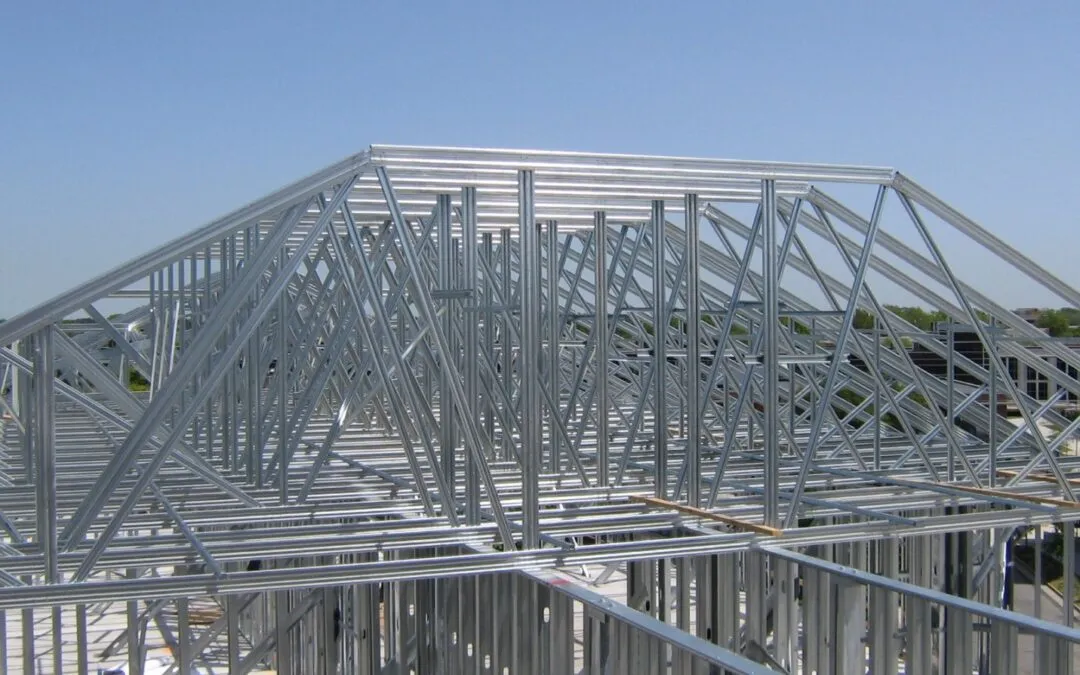
A roof truss is a structural framework that supports the roof covering and transfers its load down to the walls of the building. Traditional trusses were made from timber. Steel trusses serve the same structural purpose but are made from cold-formed steel profiles engineered to exact specifications.

Each truss is designed for the specific span, load, and roof geometry of the project it is built for. A steel roof truss manufacturer in Canada produces these components under controlled factory conditions, meaning they arrive on site dimensionally consistent, pre-punched, and ready to install without last-minute adjustments.

The Roof Configurations Steel Handles Well

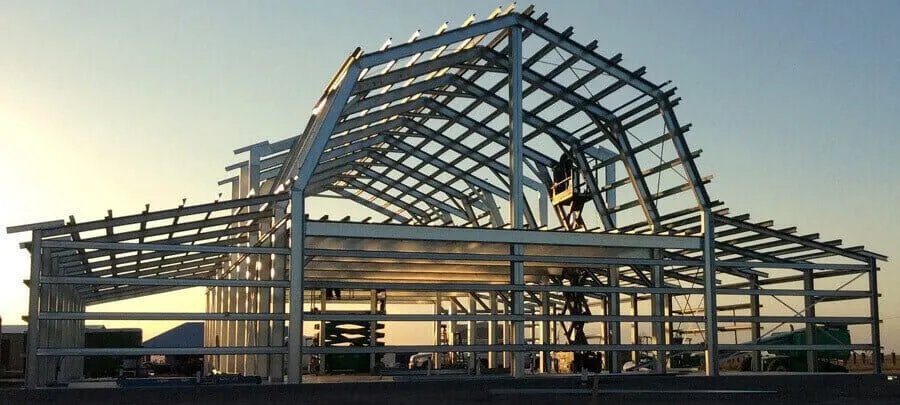
One practical advantage of steel roof trusses is design flexibility. They can be configured into a wide range of roof profiles including mono-slope, dual pitch, scissor, stepped, and curved configurations. This gives architects and builders real options when working on projects that go beyond a standard roof shape, without compromising the structural performance of the system.

Why Canadian Conditions Make Steel the Right Call

Canada puts roofs under serious pressure. Snow accumulation adds significant weight. Wind uplift stresses the connections. Temperature shifts between seasons are extreme. In certain regions, seismic activity adds another layer of demand.

Wood moves under these conditions. It absorbs moisture, weakens over time, and can warp or rot in ways that affect the integrity of the roof structure. Steel does not. It holds its shape through freeze-thaw cycles, humidity, and temperature swings without degrading.

Every truss from a steel roof truss manufacturer in Canada is pre-engineered to meet the snow load, wind uplift, and seismic requirements specific to the project location. That means full structural confidence regardless of where in Canada the building sits.

Non-Combustible Construction

Steel roof trusses are entirely non-combustible. For residential and commercial buildings where non-combustible construction is required under Canadian building codes, steel trusses support that compliance from the roof down. It is a distinction that matters for occupant safety and, on qualifying projects, for insurance purposes as well.

At DestNest, non-combustible construction is the starting point. Our truss components are engineered and fabricated to meet applicable Canadian building code requirements, and every system is reviewed for structural safety before it leaves our facility.

Tolerances That Make the Build Easier

Steel trusses are manufactured to tolerances far tighter than dimensional lumber. That precision matters when the roof frame needs to be straight, level, and true across the full span of the building. Components that arrive consistent and accurate make the work of subsequent trades more straightforward and more predictable.

Working with a steel roof truss manufacturer in Canada also means shorter lead times, a supply chain that does not depend on international shipping, and components that are built to Canadian code from the start.

Pricing That Stays Where You Set It

Lumber prices shift with seasons and supply. Steel pricing does not behave the same way. There are no seasonal spikes and no supply disruptions that push material costs up mid-project. What is priced at the start of a job stays consistent through to completion. For builders and project managers, that consistency makes budgeting more reliable from start to finish.

Galvanised for the Long Term

All DestNest truss components are galvanised with a zinc coating that protects against corrosion well beyond the intended lifespan of the building. As a steel roof truss manufacturer in Canada, we build components that are meant to outlast the structure around them.

The Roof Your Building Deserves

Steel roof trusses are engineered, consistent, non-combustible, and built to handle what Canadian weather actually delivers. For residential homes, multi-unit buildings, and commercial projects alike, they offer structural performance that holds up across decades.

If you are planning a project and want to talk through what steel roof trusses can do for your build, get in touch with us at DestNest. We are ready to discuss your project requirements and find the right solution for your roof.

Benefits of Cold‑Formed Steel Framing Manufacturer in Canada for Residential Projects

Building a home in Canada is a long-term decision. The materials you choose affect how the structure performs over time, how much maintenance it needs, and how smoothly the construction process goes. Cold-formed steel framing has become a practical choice for residential projects across the country. Here is what it offers and why it is worth considering.

What Cold-Formed Steel Framing Is

Cold-formed steel framing starts as structural-quality steel sheet shaped at room temperature into lightweight, high-strength profiles. The process produces components that are dimensionally consistent every time. Dimensional lumber cannot say the same. Working with a cold-formed steel framing manufacturer in Canada also means the components are built to meet the National Building Code of Canada from the beginning.

It Holds Up Through Canadian Weather

Wood absorbs moisture. It warps in cold and swells in heat. In Canada, where freeze-thaw cycles and temperature swings are a regular part of life, that movement adds up over time.

Cold-formed steel does not behave that way. It maintains its dimensions through every season. A frame installed in October looks the same in April. For Canadian homes, that kind of stability matters.

No Rot, No Mould, No Termites

Steel does not rot. It does not attract rodents or termites. It does not grow mould or mildew. For a home that is meant to last, these qualities reduce long-term problems significantly.

At DestNest, our framing profiles are zinc-coated through galvanisation, which protects the steel well beyond the building’s intended lifespan. As a cold-formed steel framing manufacturer in Canada, we build components designed to go the distance.

It Does Not Burn

Steel does not burn. That distinction carries real weight under the National Building Code of Canada and provides a level of fire resistance that is built into the material itself. For residential construction, that is a meaningful safety advantage.

Builds Go Faster

Cold-formed steel components are prefabricated under controlled factory conditions and arrive at the job site ready to install. That means fewer on-site corrections, faster build times, and a frame that is straight and true throughout.

Dimensional tolerances with cold-formed steel are consistently four times tighter than lumber. That precision makes the work of subsequent trades — electricians, plumbers, and others — faster and more straightforward. A cold-formed steel framing manufacturer in Canada delivers that level of consistency as standard.

Pricing Stays Predictable

Lumber prices move with the market and the seasons. Cold-formed steel pricing does not work that way. There are no seasonal spikes, no supply shocks, and no unexpected budget changes because material costs shifted. What you price at the design stage is what you build with. For a fixed-budget residential project, that reliability is worth a lot.

A Greener Building Material

Cold-formed steel is 100% recyclable and contains recycled content. It generates minimal waste on site. For homeowners with green building goals, working with a cold-formed steel framing manufacturer in Canada is a practical starting point, not just a talking point.

Built for Canadian Conditions

Cold-formed steel framing addresses what Canadian residential construction actually demands. It handles the climate, meets the codes, and holds up over time without the complications that come with wood.

If you are planning a residential build and want to know how cold-formed steel framing fits your project, get in touch with us at DestNest. We manufacture framing systems built for Canadian conditions and are happy to talk through what your project needs.