Steel Roof Truss Manufacturer in Canada

Steel Roof Truss Installation in Canada: What You Need to Know Before You Build

Steel Roof Truss Installation in Canada: What You Need to Know Before You Build

A roof truss does more than hold up your roof. It distributes the entire load of snow, wind, and dead weight across the structure below. Get it right, and the building performs for decades. Get it wrong, and you are looking at costly fixes or, in serious cases, structural failure. That is why working with a qualified steel roof truss manufacturer in Canada matters from the very first step.

What Is a Steel Roof Truss and Why Is It Used in Canada?

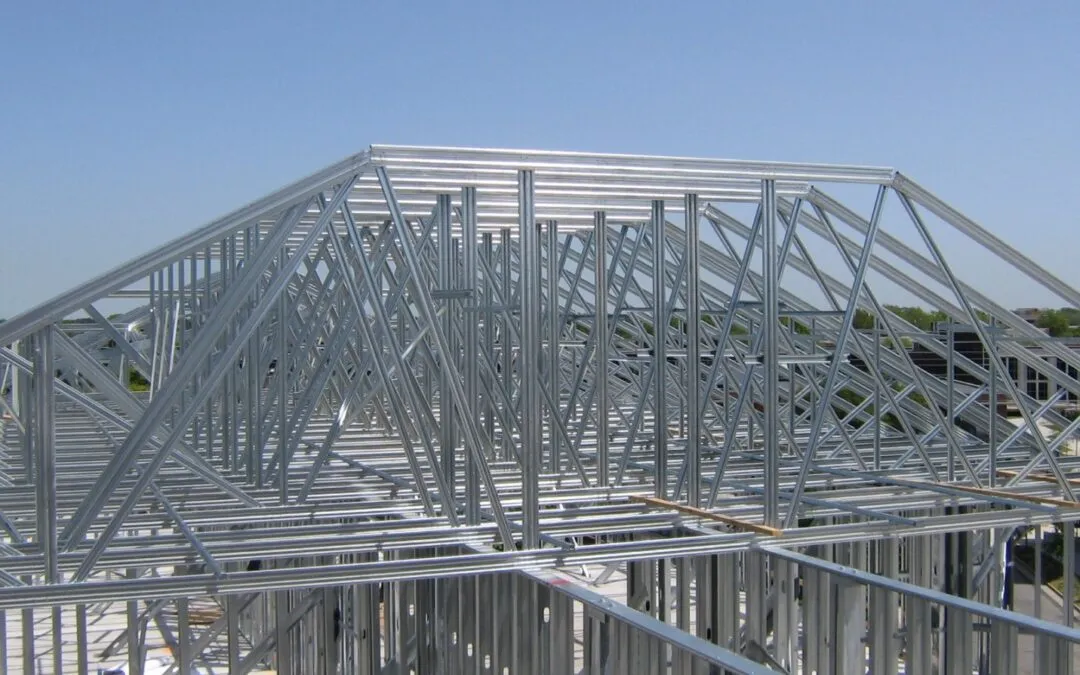
A steel roof truss is a pre-engineered triangular framework made from cold-formed steel sections. The triangular geometry distributes loads efficiently, which allows trusses to span large distances without needing interior support walls beneath them.

Steel is the right material for Canadian conditions. It does not rot, warp, or absorb moisture. It holds its dimensions through freeze-thaw cycles, heavy snow seasons, and summer heat swings. For builders working in regions where snow loads are significant, steel simply holds up better over time.

How Do You Prepare a Site for Steel Roof Truss Installation?

Preparation is what separates a smooth install from a costly one. Before any truss is lifted into position, the bearing walls or top plates must be level, straight, and built to carry the correct roof loads. Any deviation in wall framing will transfer directly into the truss system.

Inspect every truss on delivery. Check for any shipping damage and report it immediately. Never attempt a site repair without written approval from the manufacturer. Trusses should be stored flat, off the ground, on level supports to prevent distortion before installation begins.

What Are the Key Steps to Installing Steel Roof Trusses?

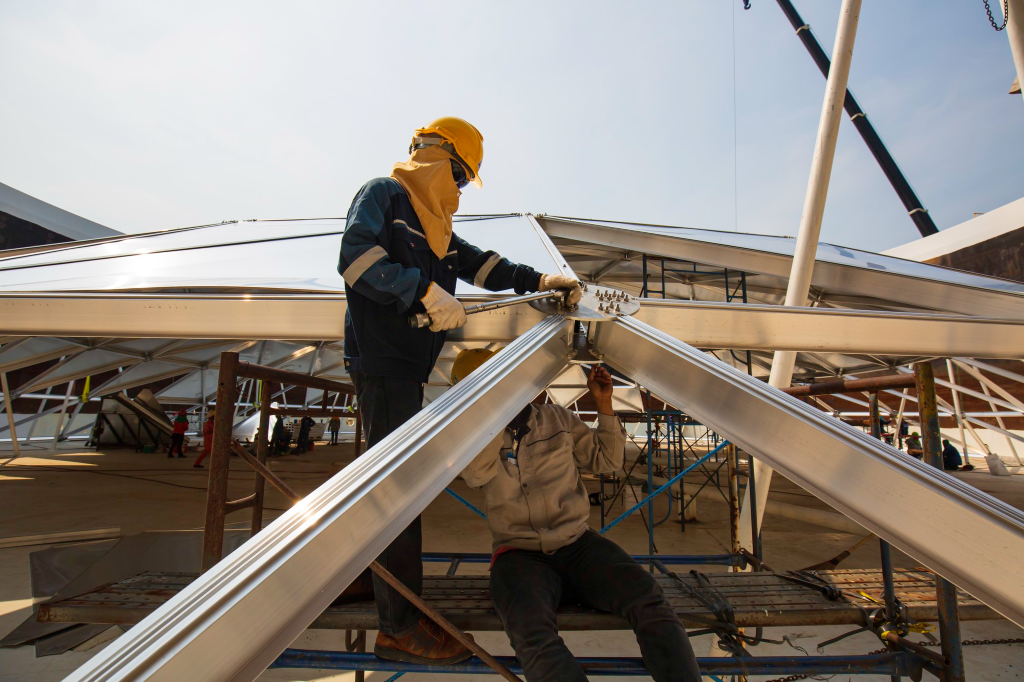
A steel roof truss manufacturer in Canada will supply engineered drawings with your order. Follow them precisely. Here is the general installation sequence:

The first truss goes up and must be braced substantially to the ground or wall before any others are set. Every truss that follows relies on that first one for stability, so it has to be anchored well.

Each additional truss is lifted into position, spaced at the intervals specified in your drawings. In residential construction, spacing is typically 600 mm (24 inches) on centre, though this varies with load requirements. Trusses are then fixed to the top plates and temporarily braced.

Three planes require bracing: the top chord, the web member plane, and the bottom chord. Temporary bracing must be fully in place before anyone steps onto the roof. Permanent lateral bracing follows immediately after each section is set and plumbed.

Do not cut, notch, or alter any truss on site. The geometry of a truss is precisely engineered, and any modification changes how it carries load.

How Do Canadian Snow and Wind Loads Affect Truss Design?

This is where working with a local steel roof truss manufacturer in Canada becomes essential. The National Building Code of Canada, published by the National Research Council, sets out specific requirements for snow and wind loads on roofs. These vary significantly by region.

The NBC recommends a basic roof snow load equal to 0.8 times the ground snow load for most roof configurations. Wind uplift is an equally important factor, particularly in exposed areas. A manufacturer who understands regional climatic data will engineer your trusses to meet these specific requirements, not just the minimum.

What Happens After All Trusses Are Installed?

Once every truss is in position, plumbed, and permanently braced, roof sheathing can be applied. The sheathing significantly increases the overall stiffness of the roof system and locks everything together.

A steel roof truss manufacturer in Canada will include connection details for hurricane straps and other fastening hardware in the engineering package. Use only the specified fasteners and connection hardware. Substituting smaller nails or fewer fasteners than specified reduces the structure’s capacity to resist lateral and uplift forces.

Final inspection by the relevant building authority confirms the roof structure meets the National Building Code before the project moves forward.

Where Can You Source Steel Roof Trusses in Canada?

If you are planning a residential or commercial build and need roof trusses engineered for Canadian conditions, DestNest manufactures steel framing and structural components for projects across the country. Their systems are engineered to code, manufactured precisely, and ready for installation.

A reliable steel roof truss manufacturer in Canada gives you more than a product. They give you the engineering documentation, the load calculations, and the confidence that what goes up will stay up.
What Are Steel Roof Trusses and Why Are They Popular in Canada?

A roof does more than keep rain out. It carries snow loads through long winters, handles wind pressure through storm seasons, and holds its structure for decades without failing. The material used to build that roof has a direct impact on how well it handles all of it. Steel roof trusses have become a serious choice for Canadian builders and homeowners, and the reasons are straightforward. Here is what they are and why they work so well in this country.

What a Roof Truss Actually Is

A roof truss is a structural framework that supports the roof covering and transfers its load down to the walls of the building. Traditional trusses were made from timber. Steel trusses serve the same structural purpose but are made from cold-formed steel profiles engineered to exact specifications.

Each truss is designed for the specific span, load, and roof geometry of the project it is built for. A steel roof truss manufacturer in Canada produces these components under controlled factory conditions, meaning they arrive on site dimensionally consistent, pre-punched, and ready to install without last-minute adjustments.

The Roof Configurations Steel Handles Well

One practical advantage of steel roof trusses is design flexibility. They can be configured into a wide range of roof profiles including mono-slope, dual pitch, scissor, stepped, and curved configurations. This gives architects and builders real options when working on projects that go beyond a standard roof shape, without compromising the structural performance of the system.

Why Canadian Conditions Make Steel the Right Call

Canada puts roofs under serious pressure. Snow accumulation adds significant weight. Wind uplift stresses the connections. Temperature shifts between seasons are extreme. In certain regions, seismic activity adds another layer of demand.

Wood moves under these conditions. It absorbs moisture, weakens over time, and can warp or rot in ways that affect the integrity of the roof structure. Steel does not. It holds its shape through freeze-thaw cycles, humidity, and temperature swings without degrading.

Every truss from a steel roof truss manufacturer in Canada is pre-engineered to meet the snow load, wind uplift, and seismic requirements specific to the project location. That means full structural confidence regardless of where in Canada the building sits.

Non-Combustible Construction

Steel roof trusses are entirely non-combustible. For residential and commercial buildings where non-combustible construction is required under Canadian building codes, steel trusses support that compliance from the roof down. It is a distinction that matters for occupant safety and, on qualifying projects, for insurance purposes as well.

At DestNest, non-combustible construction is the starting point. Our truss components are engineered and fabricated to meet applicable Canadian building code requirements, and every system is reviewed for structural safety before it leaves our facility.

Tolerances That Make the Build Easier

Steel trusses are manufactured to tolerances far tighter than dimensional lumber. That precision matters when the roof frame needs to be straight, level, and true across the full span of the building. Components that arrive consistent and accurate make the work of subsequent trades more straightforward and more predictable.

Working with a steel roof truss manufacturer in Canada also means shorter lead times, a supply chain that does not depend on international shipping, and components that are built to Canadian code from the start.

Pricing That Stays Where You Set It

Lumber prices shift with seasons and supply. Steel pricing does not behave the same way. There are no seasonal spikes and no supply disruptions that push material costs up mid-project. What is priced at the start of a job stays consistent through to completion. For builders and project managers, that consistency makes budgeting more reliable from start to finish.

Galvanised for the Long Term

All DestNest truss components are galvanised with a zinc coating that protects against corrosion well beyond the intended lifespan of the building. As a steel roof truss manufacturer in Canada, we build components that are meant to outlast the structure around them.

The Roof Your Building Deserves

Steel roof trusses are engineered, consistent, non-combustible, and built to handle what Canadian weather actually delivers. For residential homes, multi-unit buildings, and commercial projects alike, they offer structural performance that holds up across decades.

If you are planning a project and want to talk through what steel roof trusses can do for your build, get in touch with us at DestNest. We are ready to discuss your project requirements and find the right solution for your roof.