May 19th,
2026
Steel has a reputation for being a strong material. What is talked about less is how well it performs as a financial decision. Sustainable steel building systems in Canada are attracting serious attention from developers, homeowners, and commercial builders — not just because they are better for the environment, but because the numbers make sense over time.
What Are Sustainable Steel Building Systems?
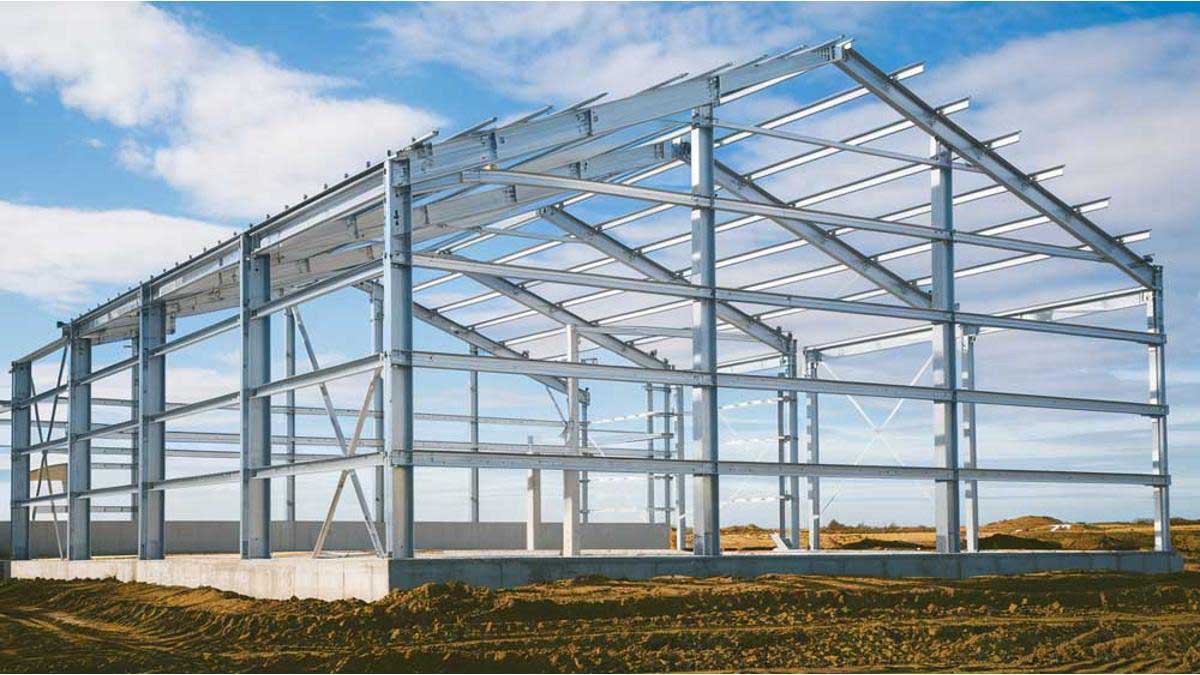
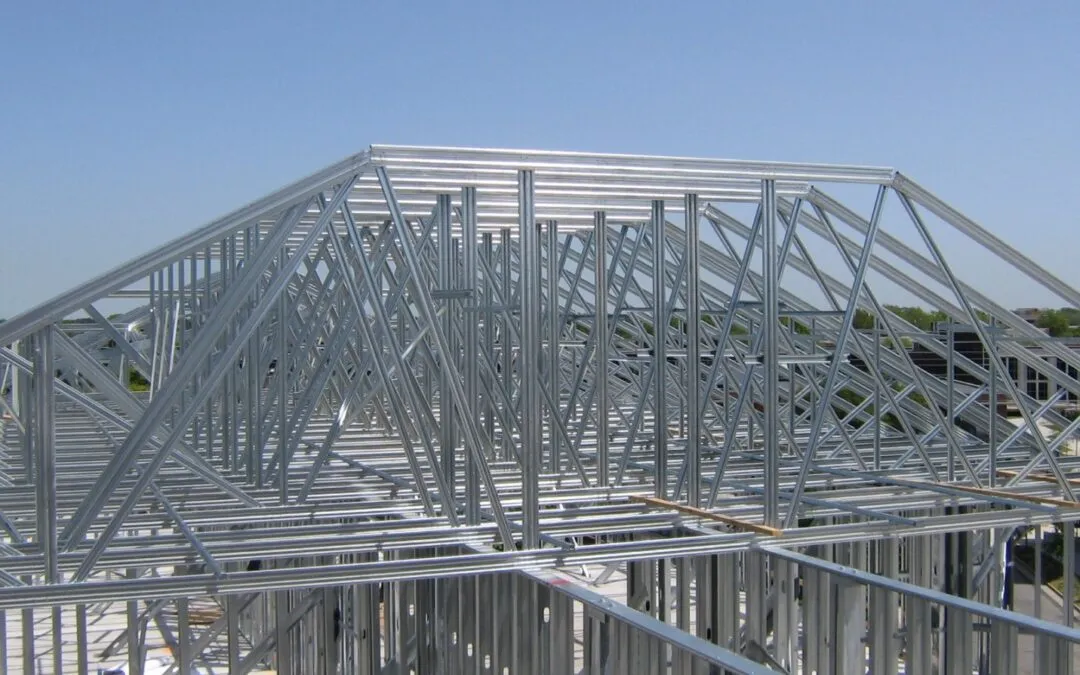
Sustainable steel building systems use cold-formed or structural steel as the primary framing material, engineered and manufactured to reduce waste, support energy efficiency, and last for decades with minimal upkeep. Components are precision-manufactured off-site and assembled on location, which cuts down on construction waste and shortens project timelines. Steel carries a high recycled content percentage — often between 25% and 90% — and is fully recyclable at the end of its life, which closes the loop on material use.
Why Is the Canadian Government Encouraging Low-Carbon Steel Construction?
The federal government is actively pushing construction toward lower-carbon materials. The Canada Green Buildings Strategy, published by Natural Resources Canada, commits to a “Buy Clean” approach that promotes low-emission steel, recycled materials, and energy-efficient design in federally funded construction. The strategy is tied to Canada’s goal of cutting greenhouse gas emissions by at least 40% below 2005 levels by 2030.
For builders and property owners, this policy direction translates into growing demand for steel-framed construction that aligns with LEED and Zero Carbon Building standards — which in turn supports long-term asset value.
What Does It Cost to Build with Sustainable Steel in Canada?
Upfront, sustainable steel building systems in Canada are competitively priced against wood and concrete. The cost savings begin early, because prefabricated components arrive ready to install, reducing labour hours on site. There are fewer weather delays too, since most fabrication happens indoors under controlled conditions.
The real cost advantage, though, is in the long run. Steel does not rot, warp, split, or attract insects. That means far lower maintenance and repair costs over the building’s life. A steel-framed structure does not require the ongoing remediation work that wood-framed buildings in humid or cold climates often do.
How Much Can You Save on Energy With a Steel Building?
This is where sustainable steel building systems in Canada show a measurable edge. Steel framing supports high-performance insulation across walls, roofs, and floors. A well-insulated steel building can reduce annual heating and cooling costs by 30% to 40% compared to a conventionally built structure, depending on its size and location.
Canada’s winters are long and expensive to heat. A building that holds temperature efficiently costs less to run every single month. Over a 20 or 30-year lifespan, those monthly savings add up to a very significant figure.
Steel frames also support the addition of solar panels and green roofing systems without structural modification. For owners who want to take energy efficiency further, the frame is already built for it.
Does Steel Construction Support Green Building Certification?
Yes. Sustainable steel building systems in Canada are well-suited to LEED certification, which evaluates a building’s performance across energy efficiency, materials selection, water use, and indoor environmental quality. Using steel with verified recycled content, combined with efficient insulation and low-waste construction practices, contributes directly to a stronger LEED score.
LEED-certified buildings carry tangible financial benefits: lower operating costs, higher resale values, and in many cases, access to federal and provincial incentive programmes.
Where Can You Find Sustainable Steel Building Systems in Canada?
If you are planning a residential or commercial project and want a system that delivers on both sustainability and long-term value, DestNest designs and manufactures sustainable steel building systems in Canada for a wide range of project types. Their systems are engineered to current code, built with precision, and designed for the demands of the Canadian climate.
The cost of a steel building is not just what you pay to put it up. It is what you save for every year it stands.