May 4th,
2026
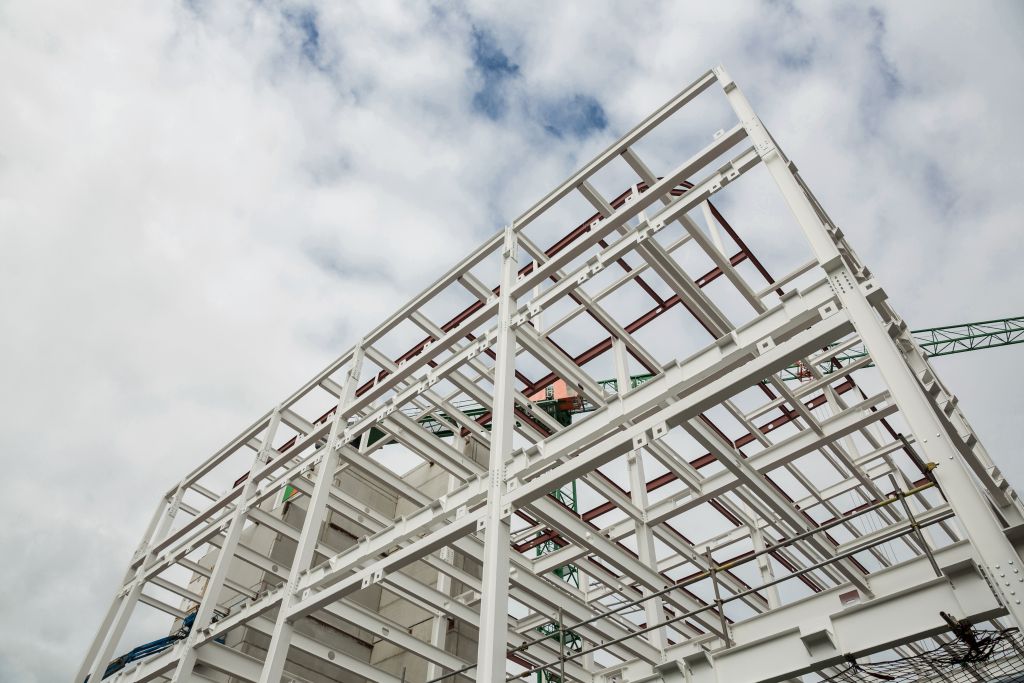
Steel has been holding up Canadian buildings for generations. But cold-formed steel framing — the lighter, more precise cousin of structural steel — is now showing up in residential homes, mid-rise condos, and commercial builds across the country. Builders who have made the switch say they are not going back. Here is why.
What Exactly Is Cold-Formed Steel Framing?
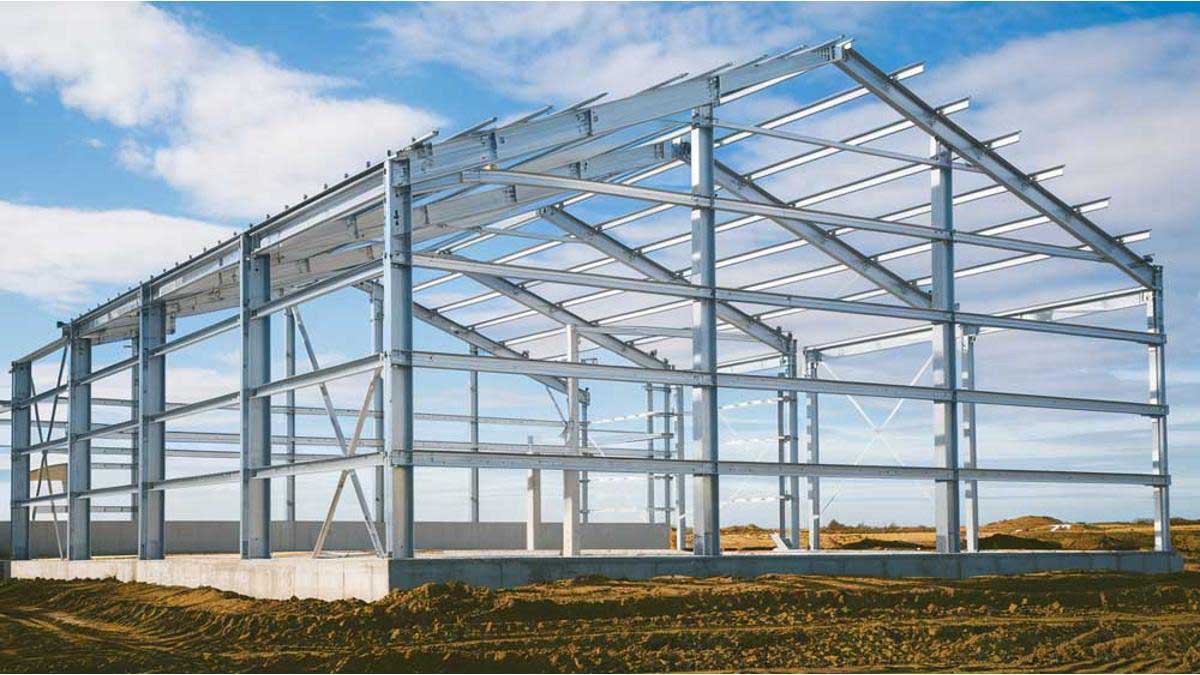
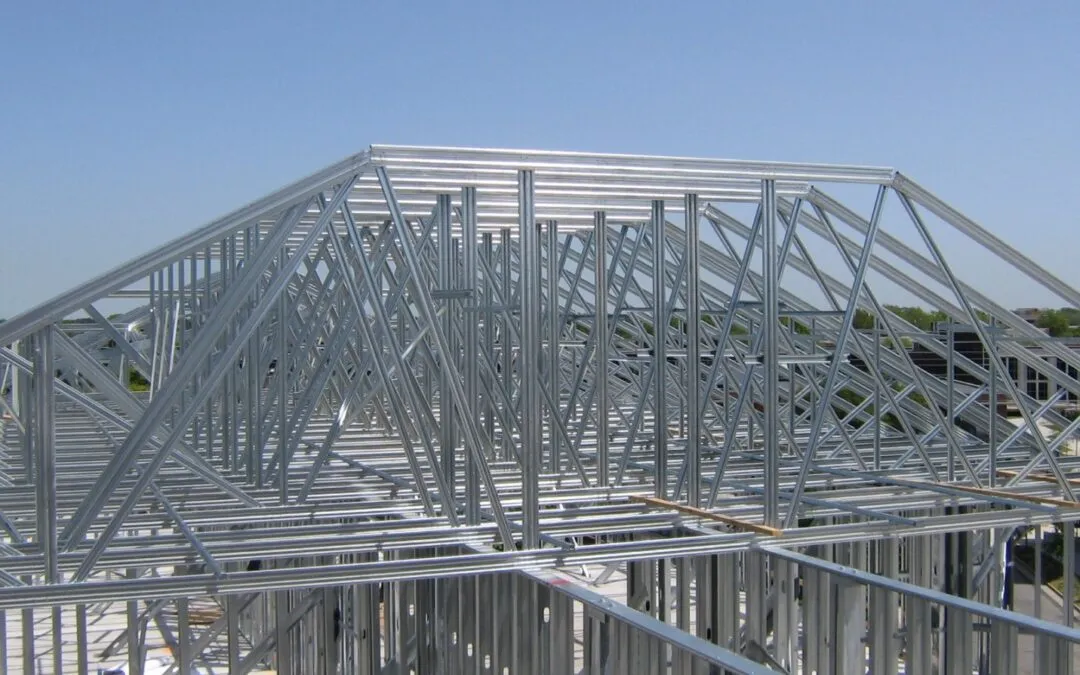
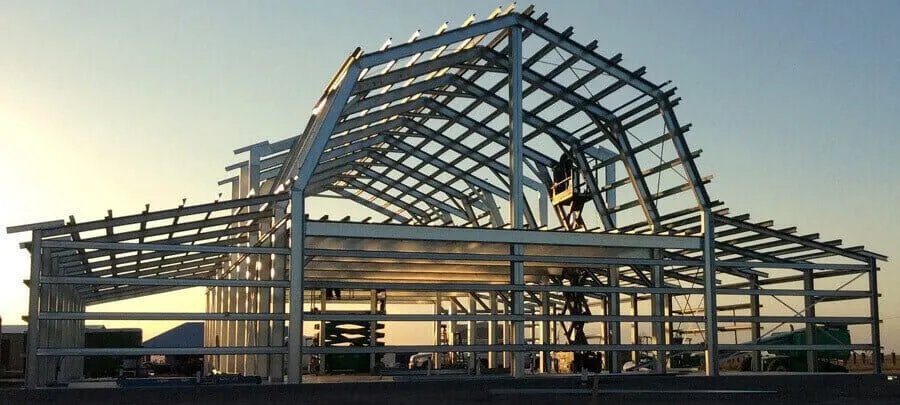
Cold-formed steel is shaped at room temperature rather than being heated and moulded. Thin steel sheets are guided through rollers to produce C-shaped or S-shaped sections — studs, tracks, and joists — that are lightweight but structurally strong. Every component comes out dimensionally consistent, which is something dimensional lumber simply cannot promise.
A cold-formed steel framing manufacturer in Canada produces these components to meet the National Building Code of Canada, ensuring they are ready for residential and commercial use from day one.
How Does It Hold Up Against Canada’s Climate?
This is where steel pulls ahead of wood in a meaningful way. Wood absorbs moisture. It warps in the cold and swells in the heat. In a country where freeze-thaw cycles are part of daily life from October through April, that seasonal movement adds up over time and creates problems — twisted walls, sticky doors, and structural inconsistencies.
Cold-formed steel does not behave that way. It maintains its dimensions through every season. That kind of stability matters enormously in Canada’s climate, and it is one of the main reasons builders from Halifax to Calgary are specifying steel over wood for new projects.
Is Cold-Formed Steel Really Safer in a Fire?
Yes, and it is not a close comparison. Steel is non-combustible. Unlike wood, steel framing will not catch fire or contribute fuel to a blaze, making steel-framed structures inherently safer in the event of a fire.
In many Canadian jurisdictions, building codes place limits on wood frame construction for multi-storey buildings unless extensive fireproofing is applied. With steel framing, it is much simpler to meet and exceed those fire code requirements because the structure itself is not flammable.
The National Building Code of Canada, published by the National Research Council, sets out these requirements. Working with a cold-formed steel framing manufacturer in Canada means your components are engineered to those exact standards from the start.
Does It Actually Speed Up Construction?
It does, and in a practical way. Cold-formed steel components are prefabricated under controlled factory conditions and arrive at the job site ready to install. Dimensional tolerances with cold-formed steel are consistently four times tighter than lumber. That precision makes the work of subsequent trades — electricians, plumbers, and others — faster and more straightforward.
Since much of the fabrication work is done off-site, there are fewer interruptions due to rain or freezing temperatures. Entire wall sections can be built under controlled factory conditions, then shipped to the job site for rapid installation.
For builders managing tight timelines, that kind of predictability is worth a great deal.
What About Sustainability? Is Cold-Formed Steel a Green Choice?
Cold-formed steel is a sustainable choice, as it can be made from recycled materials and is fully recyclable at the end of its lifecycle. Precise manufacturing results in minimal waste, as components are produced to exact specifications and efficiently assembled on-site, reducing excess material and environmental footprint.
For projects targeting green building certifications or simply trying to reduce construction waste, these qualities matter. A cold-formed steel framing manufacturer in Canada that works with recycled steel content adds a measurable environmental benefit to the finished structure.
Where Can I Find Reliable Cold-Formed Steel Framing in Canada?
If you are planning a residential or commercial build and want components that are engineered to code, built for Canadian conditions, and ready to install, DestNest manufactures cold-formed steel framing for projects across Canada. Their steel frames and walling systems are designed with precision and backed by proper engineering documentation.
Cold-formed steel framing manufacturer in Canada options are growing, but the quality and lead time you get from a manufacturer with local expertise makes a real difference on the job site.
Whether you are framing a single-family home or a multi-storey building, the case for steel is straightforward: it is stronger, safer, more consistent, and built to last through everything the Canadian climate throws at it.