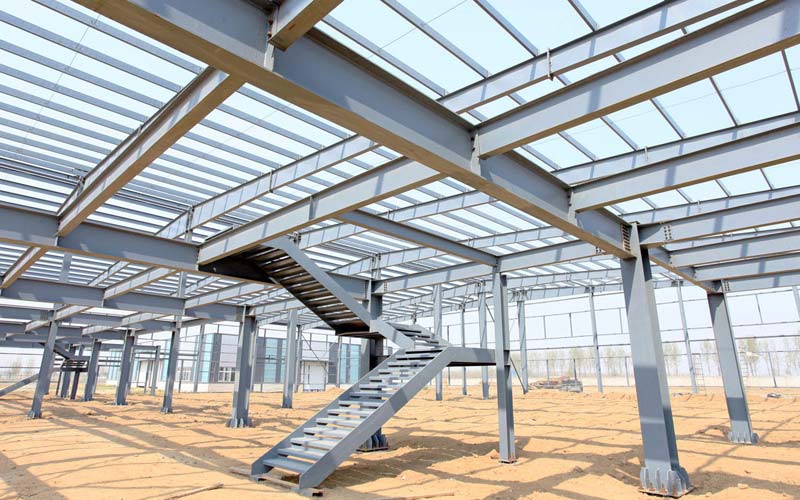
Canada’s construction industry has shifted considerably, and cold-formed steel framing is at the centre of that change. Working with a dependable steel structure supplier in Canada gives builders and developers the structural reliability that modern construction demands.
Cold-Formed Steel Framing That Performs Where It Counts
Cold-formed steel is shaped at room temperature, producing lightweight yet robust sections with a superior strength-to-weight ratio. That combination performs well across Canadian conditions, where foundation loads, seismic requirements, and extreme weather all factor into structural decisions.
Its dimensional stability reduces long-term ownership costs and maximises return on investment, making it particularly valuable for developers managing multi-phase projects on tight budgets.
The Standards Every Steel Structure Supplier in Canada Must Meet
Any credible steel structure supplier in Canada works within a clearly defined regulatory framework. Steel framing must comply with National Building Code of Canada, and AISI specifications covering yield strength, tolerances, and galvanised coatings.
The National Building Code also requires non-combustible construction for all buildings over six storeys. Cold-formed steel satisfies this requirement by nature of the material, which removes a significant compliance burden from architects and engineers at the design stage.
Prefabrication and Project Efficiency
Prefabricated steel components arrive site-ready, reducing labour needs and on-site adjustments. Factory production runs year-round regardless of weather, shortening project timelines and minimising scheduling risk, a genuine advantage given Canada’s seasonal construction pressures.
Sustainability and Long-Term Value
Cold-formed steel framing achieves approximately 27 percent energy saving per tonne of steel and is 100 percent recyclable with zero material waste. As green building requirements tighten across Canadian provinces, this positions any project well for certification and long-term compliance.
What to Look for in a Steel Structure Supplier
Not every supplier offers the same depth of service. Prioritise these when evaluating your options:
- In-house engineering and shop drawing capability with BIM coordination
- Factory-controlled prefabrication with documented quality assurance
- Nationwide delivery capacity, not just regional service
- Experience across residential, commercial, mid-rise, and hybrid structures
- Galvanised components rated for Canadian climate conditions
Frequently Asked Questions
It is steel shaped at room temperature into lightweight profiles used for studs, joists, and trusses, distinct from heavy hot-rolled structural steel.
Yes, it is used in homes, condominiums, and multi-residential buildings up to six storeys.
It does not absorb moisture or react to freeze-thaw cycles, making it more stable than wood framing during winter construction.
The National Building Code of Canada, CAN/CSA S-136, and harmonised AISI standards govern design, coatings, and connections.
Yes, as part of a hybrid system with structural steel or concrete, reaching up to ten storeys with reduced foundation requirements.