Green Homes
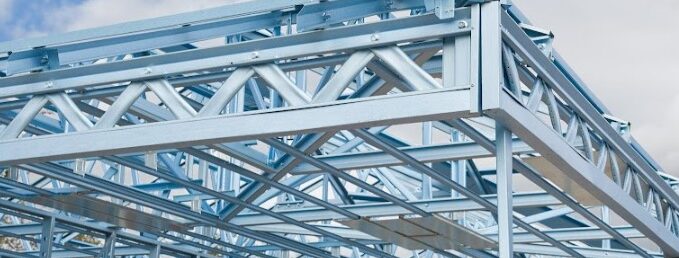
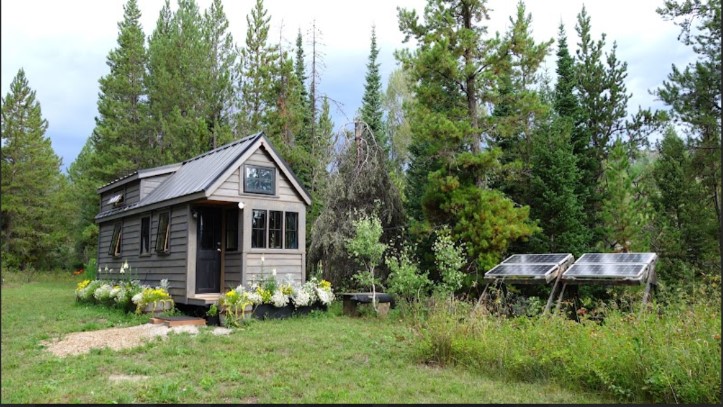
Building a green home is about more than energy efficiency—it’s about creating a healthier, more resilient place to live while reducing long-term environmental impact. Modern construction methods, such as light steel framing, play a key role in making sustainable homes both practical and achievable.
One of the main benefits of a green home is lower energy consumption. High-performance building envelopes, precision-engineered frames, and modern insulation systems help minimise heat loss, keeping homes warmer in winter and cooler in summer. This reduces reliance on heating and cooling systems, leading to lower utility bills and improved comfort year-round.
Green homes are also better for indoor health. Sustainable construction focuses on airtightness, controlled ventilation, and moisture management, which can improve indoor air quality and reduce issues such as mould and condensation.
From an environmental perspective, materials matter. Light steel framing is fully recyclable, produced with minimal waste, and manufactured off-site for accuracy and efficiency. This reduces material waste, site disruption, and overall carbon impact compared to more traditional build methods.
Finally, green homes are designed for long-term durability and future value. As energy standards tighten and buyers place greater emphasis on sustainability, homes built with environmentally responsible principles are better positioned to retain value.
A green home is not just an eco-friendly choice—it’s a smart investment in comfort, efficiency, and long-term living quality.
Green Home Developments
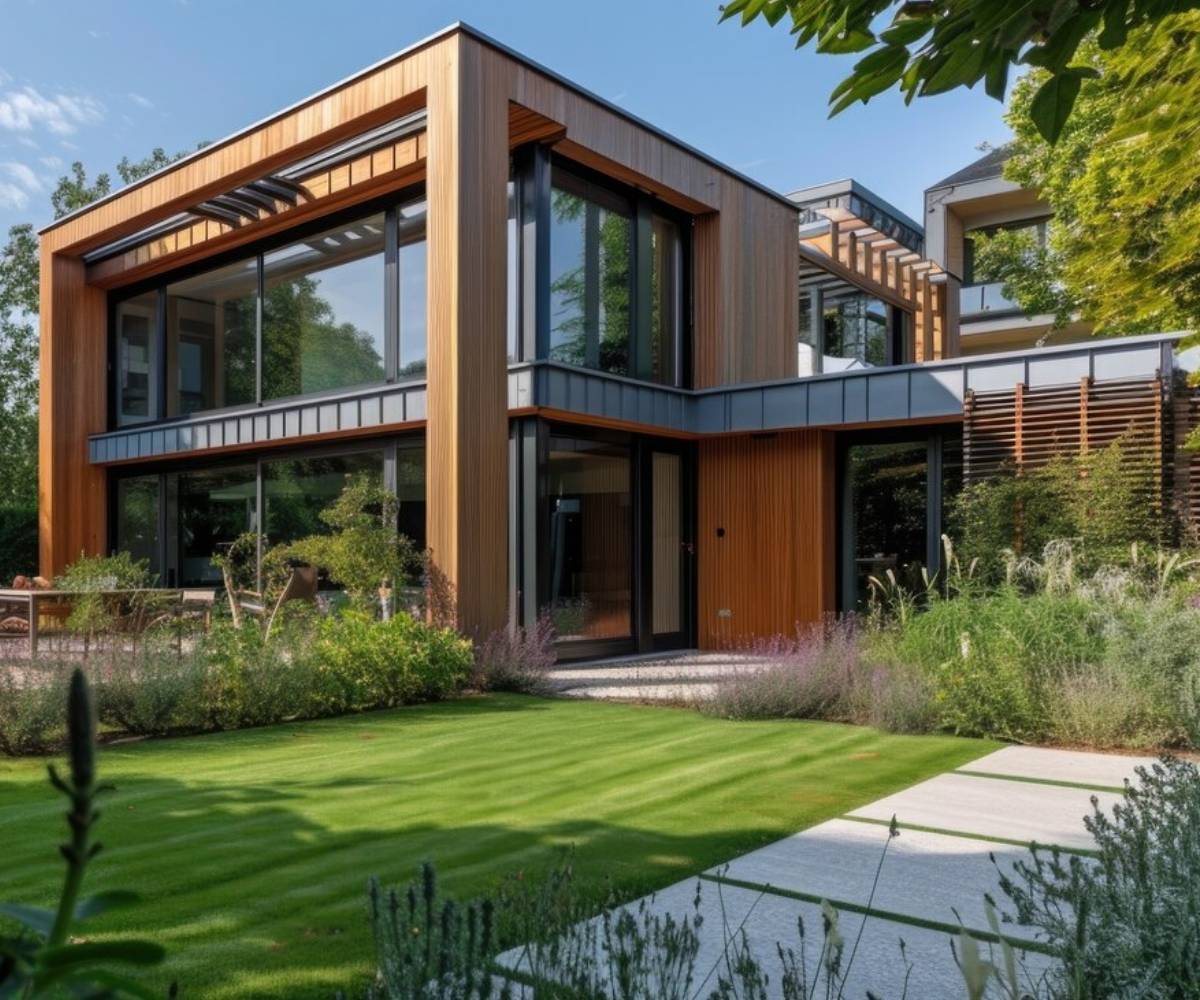
Green home technology has advanced rapidly in recent years, making it easier than ever for homeowners to reduce energy use, lower running costs, and live more sustainably. Modern construction methods and smarter building systems are now working together to deliver homes that perform better throughout their entire lifespan.
One of the most significant developments is the use of precision-engineered building systems, such as light steel framing. Manufactured off-site to exact specifications, these systems improve build quality, reduce material waste, and create airtight structures that support high levels of thermal efficiency. This precision forms the foundation for many green technologies to operate effectively.
Advances in insulation and building envelopes have also transformed energy performance. Improved airtightness, combined with high-performance insulation and controlled ventilation systems, helps maintain comfortable indoor temperatures while reducing heat loss and energy demand.
Renewable and low-carbon technologies are increasingly being integrated into home design. Air-source heat pumps, solar panels, and smart energy controls allow homeowners to generate and manage energy more efficiently, often reducing reliance on fossil fuels.
Finally, digital design tools and off-site manufacturing have shortened build times and improved consistency, supporting more sustainable construction overall.
Together, these developments are shaping greener homes that are not only environmentally responsible, but also more comfortable, durable, and future-ready for homeowners.