Sustainable Building Solutions
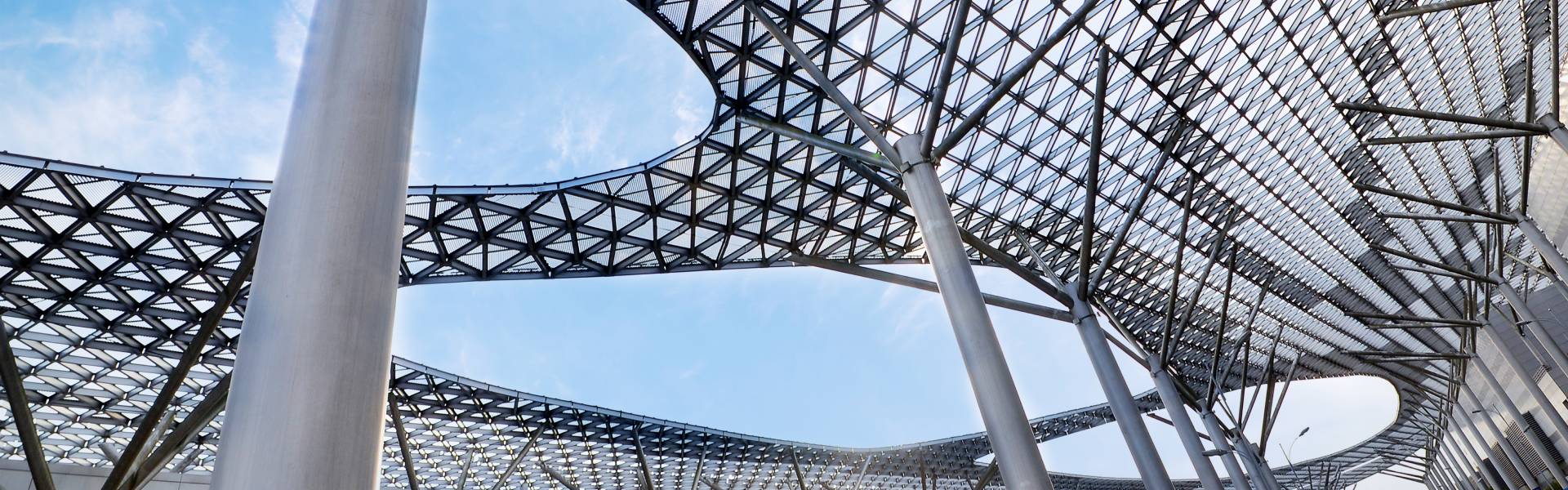
Discover how sustainable building practices can transform construction. With steel framing, you’re choosing a material that is recyclable and one of the most reused across the globe. Steel offers unmatched strength and durability, making it a smart choice for eco-conscious builders looking to minimize their carbon footprint.
Supporting Canadian industries
Canada’s steel industry faces ongoing challenges, including tariff threats from the U.S. and global market pressures. That’s why DestNest is committed to supporting domestic steel production, helping strengthen local economies and ensure long-term resilience in Canadian manufacturing.
More Flexibility in Building Architecture
The superior strength-to-weight ratio of steel allows for wider spans and open layouts that aren’t possible with timber. Architects gain more freedom to design modern, spacious, and innovative structures without structural compromise.
Maintains Air Quality
Steel framing does not release volatile organic compounds (VOCs), resins, or toxic gases. Combined with its resistance to mould and pests, it helps maintain cleaner, healthier indoor air quality throughout the building’s lifespan.
No Environmental Impact
DestNest proudly uses Canadian-made steel, with 100% sourced from recycled automobiles—a powerful example of sustainable innovation in construction. By transforming end-of-life vehicles into high-performance framing materials, we reduce environmental impact while delivering uncompromising structural integrity. Steel framing is 100% recyclable and often made from recycled materials. By choosing steel, you’re contributing to sustainable construction practices that reduce deforestation and environmental waste — a smart step toward a greener planet.
Fire Resistant
In most Canadian buildings, heat is generated by gas-burning air heaters, chimneys, or fireplaces—all typically installed near wood-framed structures. This setup creates an alarmingly high risk of fire, especially when combustible framing materials are exposed to prolonged heat or ignition sources.
Even more concerning, many residential fires originate from neighboring homes—spreading rapidly through shared walls, attics, or external cladding when wood framing is involved. In contrast, light gauge steel framing (LGSF) is non-combustible, meaning it does not ignite, burn, or contribute to fire spread. Steel acts as a barrier, helping contain fire and protect adjacent units.
By choosing LGSF, builders and homeowners gain a critical layer of safety—reducing both internal fire hazards and the risk of external fire transmission
Vermin and Termite Free
Unlike traditional timber framing, steel is completely resistant to termites, borers, and other wood-eating pests. You’ll never need costly pest treatments or inspections, ensuring your building’s structure remains strong and maintenance-free for decades. Termites feed on cellulose, a compound found in wood and other plant materials. Steel contains no cellulose, making it completely inedible to termites.
Steel is impervious to chewing or tunnelling, so termites cannot penetrate or weaken the structural frame.
Pre-Embedded Holes for Cables and Plumbing
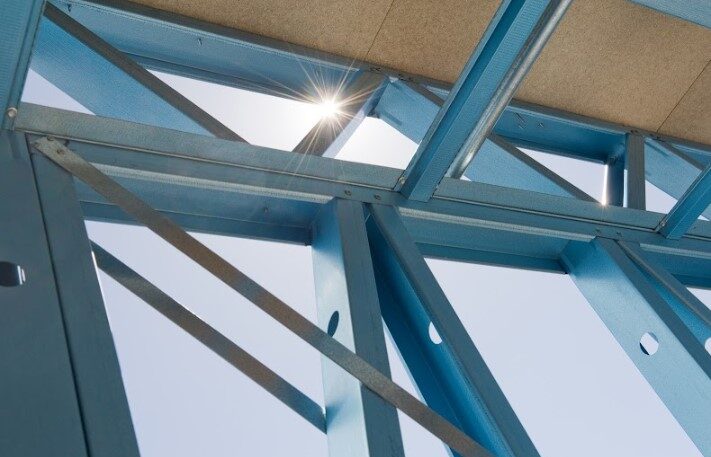
Steel frames are designed with precision-engineered pre-embedded holes, allowing for easy installation of electrical cables, pipes, and plumbing systems. This smart design saves valuable construction time and minimizes the need for additional drilling or cutting, ensuring a cleaner, faster, and more efficient setup.
Reduces The Need For Skilled Carpenters
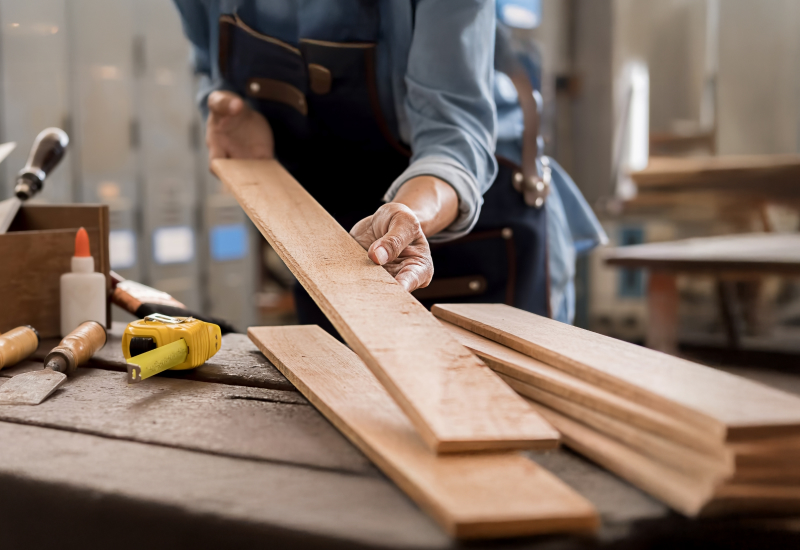
Steel framing is pre-engineered and factory-fabricated, meaning components arrive ready to assemble. This reduces dependency on skilled carpenters and heavy manual labor — helping control costs, maintain accuracy, and speed up project delivery.
No Sagging
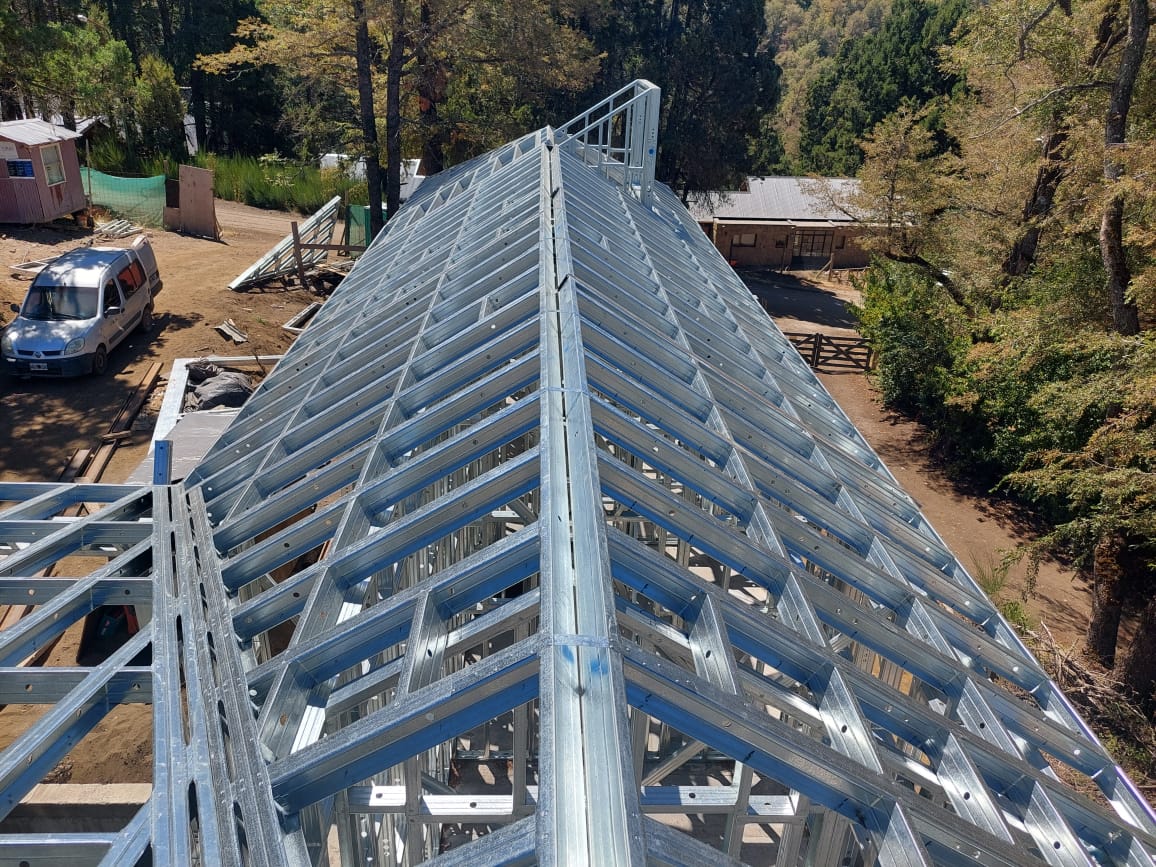
Steel’s strength and rigidity ensure that ceilings, walls, and roofs retain their shape over time. There’s no warping, bending, or sagging, even under heavy loads or changing environmental conditions — guaranteeing a long-lasting, stable structure.

Reduces Upstairs Noise
Steel framing can be designed with acoustic insulation systems that minimize the transmission of impact and airborne noises between floors. The result is quieter, more comfortable living or working spaces — perfect for multi-story buildings. Footsteps, impacts, or vibrations traveling through the upper stories.
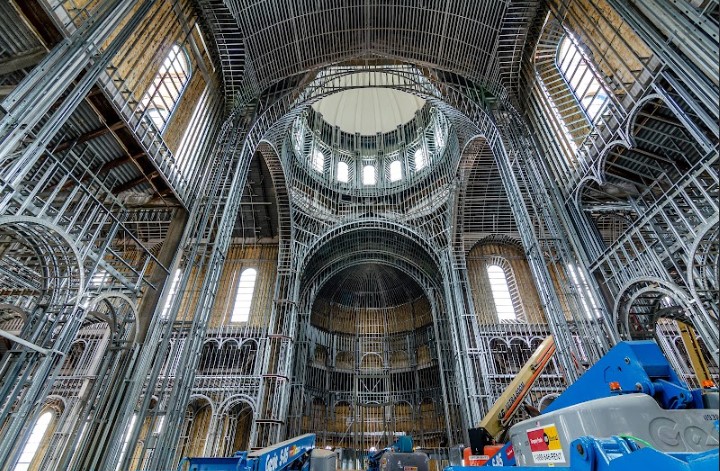
More Flexibility in Building Architecture
The superior strength-to-weight ratio of steel allows for wider spans and open layouts that aren’t possible with timber. Architects gain more freedom to design modern, spacious, and innovative structures without structural compromise.
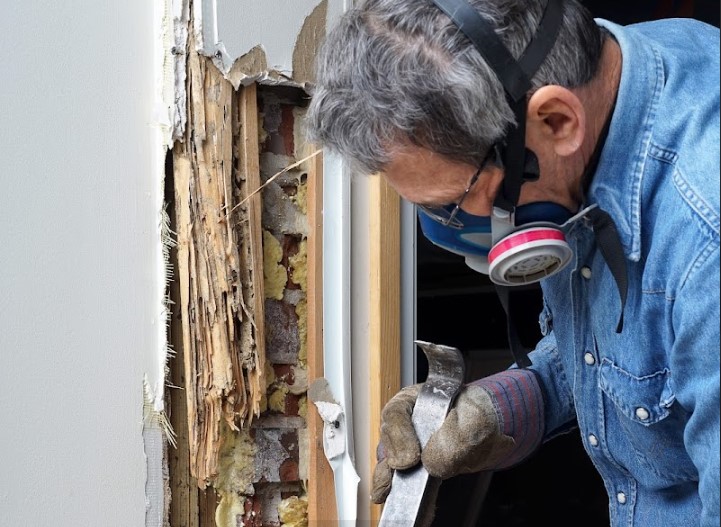
Moisture Resistant
Steel does not absorb moisture, swell, or warp. This makes it ideal for humid climates and coastal regions, reducing the risk of rot and structural damage caused by dampness or leaks.

No Environmental Impact
DestNest proudly uses Canadian-made steel, with 100% sourced from recycled automobiles—a powerful example of sustainable innovation in construction. By transforming end-of-life vehicles into high-performance framing materials, we reduce environmental impact while delivering uncompromising structural integrity. Steel framing is 100% recyclable and often made from recycled materials. By choosing steel, you’re contributing to sustainable construction practices that reduce deforestation and environmental waste — a smart step toward a greener planet.
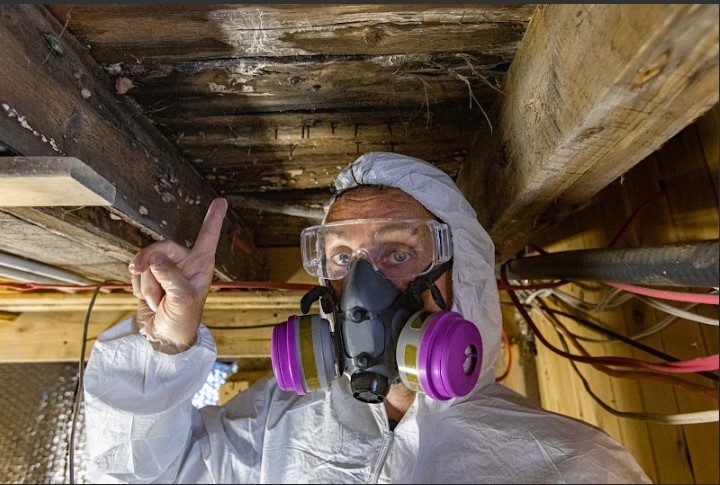
Mould and Mildew Free
Since steel doesn’t absorb or retain moisture, it prevents the growth of mould and mildew that often plague timber structures. This helps maintain a healthier indoor environment, free from allergens and fungal damage.
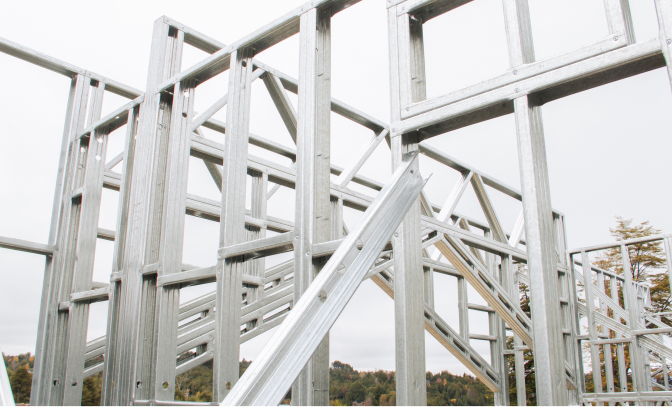
Occupies Less Space from Usable Area
Steel’s high strength enables the use of slimmer wall profiles without compromising structural integrity. This means thinner walls and frames — giving you more usable floor space within the same building footprint.
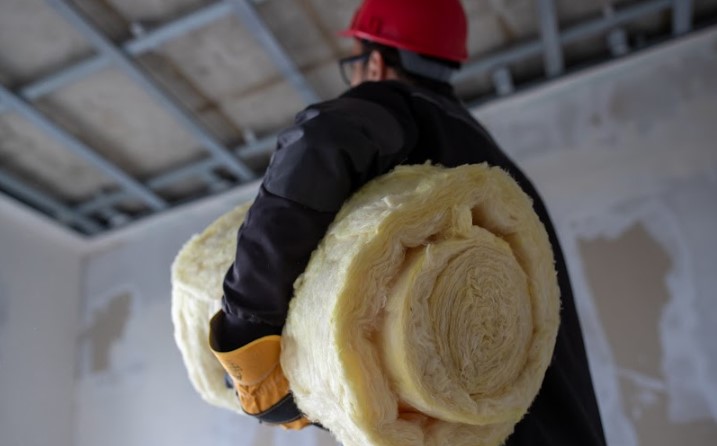
High Installation Speed
Steel framing systems are lightweight, precisely cut, and prefabricated, allowing for fast on-site assembly. With minimal adjustments and simplified connections, construction time is significantly reduced, getting your project completed sooner.
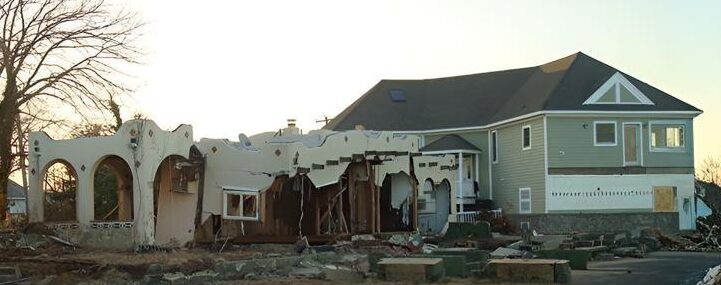
Storm Resistant
Steel’s resilience provides excellent protection against high winds, storms, and cyclones. Its rigid connections and non-combustible nature make it one of the safest framing options in extreme weather conditions.
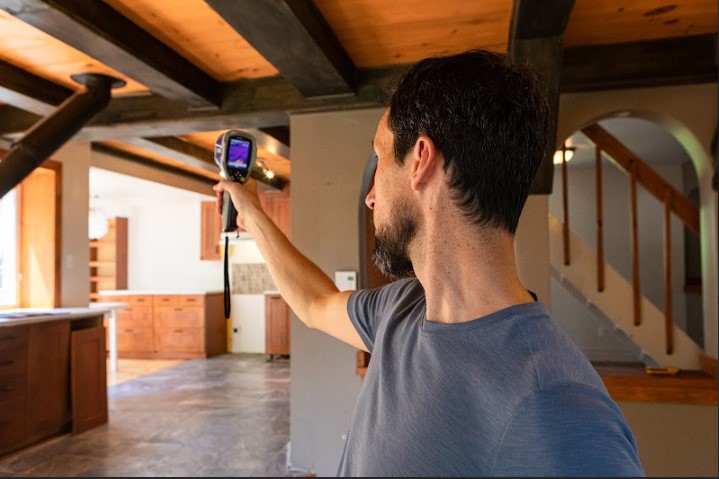
Maintains Air Quality
Steel framing does not release volatile organic compounds (VOCs), resins, or toxic gases. Combined with its resistance to mould and pests, it helps maintain cleaner, healthier indoor air quality throughout the building’s lifespan.
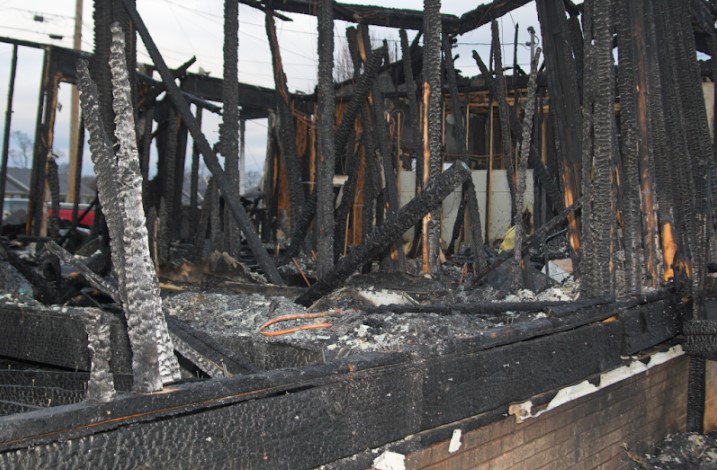
Fire Resistant
In most Canadian buildings, heat is generated by gas-burning air heaters, chimneys, or fireplaces—all typically installed near wood-framed structures. This setup creates an alarmingly high risk of fire, especially when combustible framing materials are exposed to prolonged heat or ignition sources.
Even more concerning, many residential fires originate from neighboring homes—spreading rapidly through shared walls, attics, or external cladding when wood framing is involved. In contrast, light gauge steel framing (LGSF) is non-combustible, meaning it does not ignite, burn, or contribute to fire spread. Steel acts as a barrier, helping contain fire and protect adjacent units.
By choosing LGSF, builders and homeowners gain a critical layer of safety—reducing both internal fire hazards and the risk of external fire transmission
Add this to advantages: As a non-combustible material, steel won’t ignite, burn, or contribute to the spread of fire. In the event of an emergency, a steel frame provides added safety, structural integrity, and peace of mind.

Rat Free
Steel framing completely eliminates the problem of rodents gnawing through walls or nesting in cavities. It provides a solid, pest-proof barrier — ensuring your property stays clean, hygienic, and rodent-free.
Please share your feedback and suggest how the layout of the advantages page will be like.

Supporting Canadian industries
Canada’s steel industry faces ongoing challenges, including tariff threats from the U.S. and global market pressures. That’s why DestNest is committed to supporting domestic steel production, helping strengthen local economies and ensure long-term resilience in Canadian manufacturing.

Creating Peace of Mind for Canadian Residents
Fifteen years ago, many Canadians could afford a home after just a few years of hard work. Today, homeownership often demands a lifetime of effort and sacrifice. In such a climate, every home should offer lasting comfort, safety, and value—not be built with risky, combustible materials like wood.
DestNest’s light gauge steel framing (LGSF) delivers peace of mind through fire resistance, termite-proof durability, and long-term structural integrity. It’s a smarter, safer investment for families who deserve more than just shelter—they deserve security.
Advantages of Steel Framing

Rat free

Fire resistant

Frees you from expensive carpenters

Maintain air quality

Storm resistant

High installation speed

Occupies less space from usable area

Mould and Mildew free

No Environmental impact

Moisture resistant

More f lexibility in buildings architecture

Reduce upstairs noises

Insolation friendly